4 Best Golf Balls for Colder Weather (Winter Golf Picks)
Cold weather can change how a golf ball feels and performs. Lower temperatures can reduce ball speed, while denser cold air can also reduce carry distance. Softer, lower-compression balls can feel more comfortable in these conditions because they compress more easily at lower temperatures.
The right ball depends on your swing speed and the type of performance you want. Low-compression options such as the Callaway Supersoft, Srixon Soft Feel, and Wilson Duo Soft can provide a softer feel in cold conditions. Visibility also matters during winter rounds, especially on cloudy days or courses with frost and fallen leaves.
This guide covers four of the best golf balls for colder weather and different playing styles. We considered compression, feel, distance, flight, visibility, greenside control, and overall value. These picks can help you choose a ball that feels more responsive and performs consistently during chilly rounds.
4 Best Golf Balls For Colder Weather
| Image | Title | Best For | Link |
|---|---|---|---|
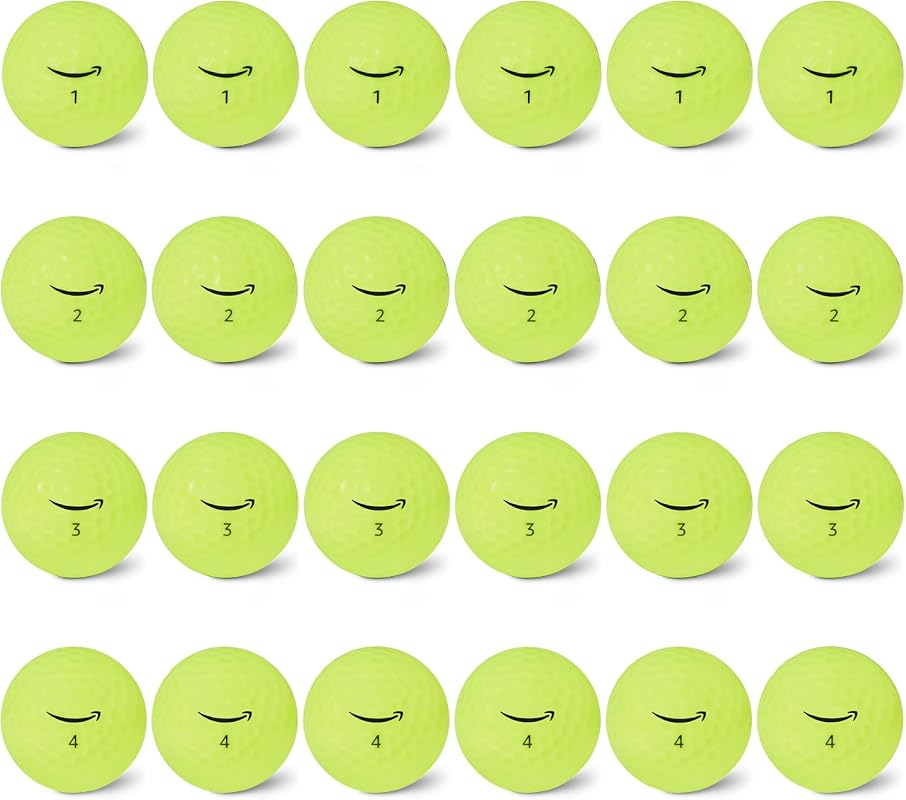 |
Amazon Basics Core Soft Golf Balls | Best overall value for cold weather performance. | View on Amazon |
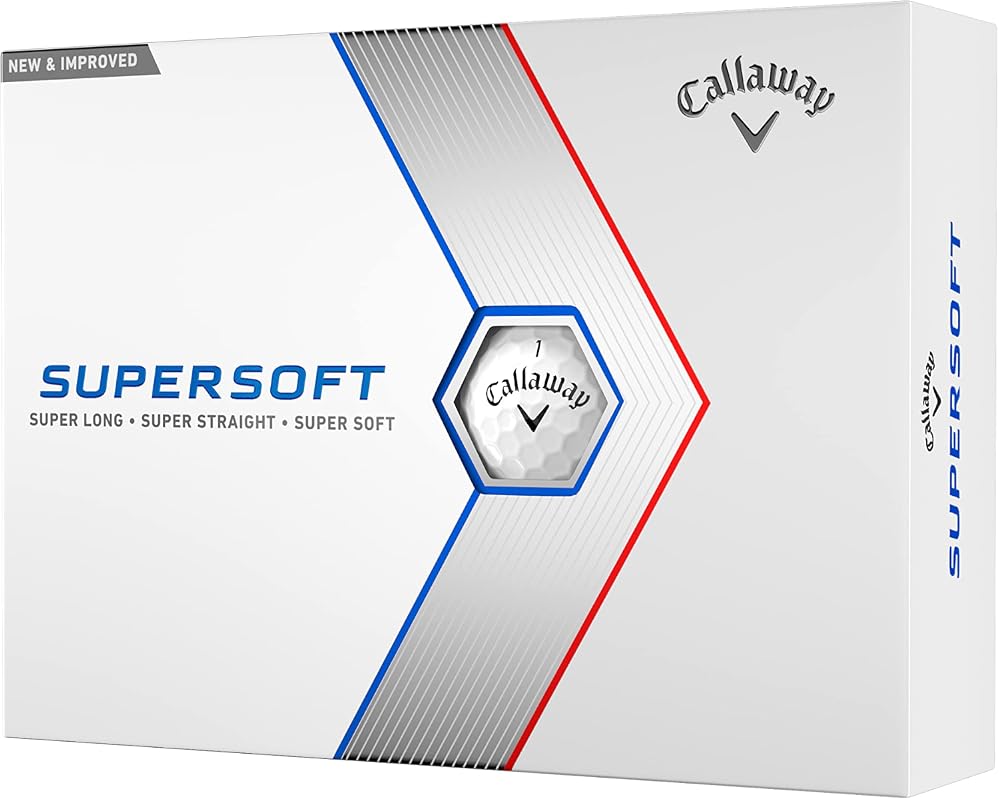 |
Callaway Supersoft Golf Balls | Maximum distance and soft feel. | View on Amazon |
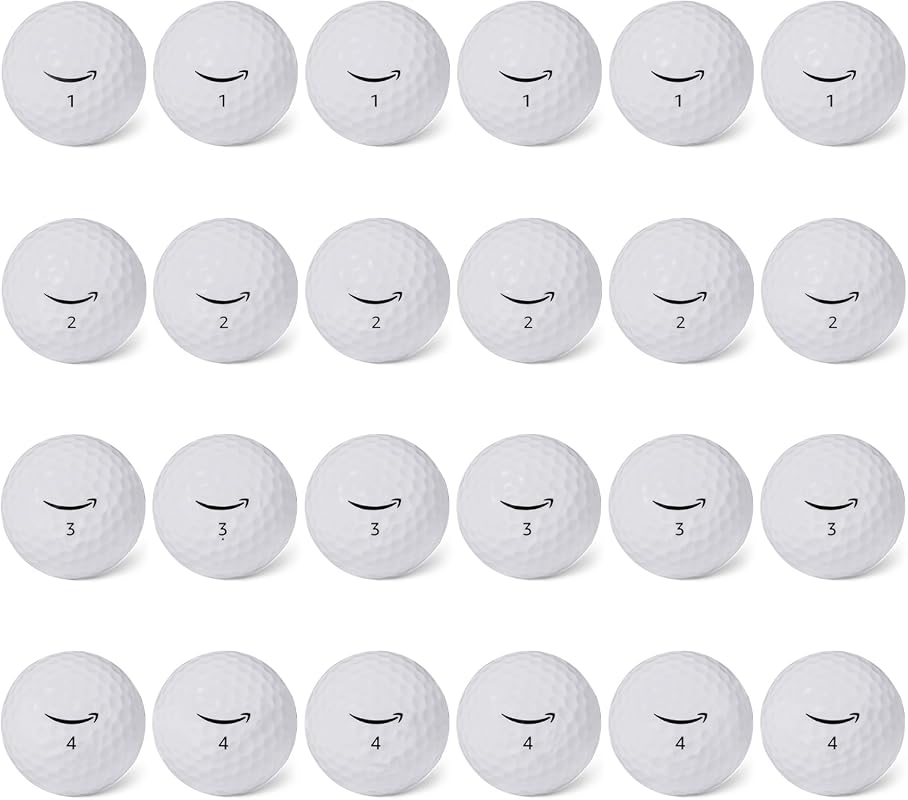 |
Amazon Basics Core Soft Golf Balls | Budget-friendly performance pack. | View on Amazon |
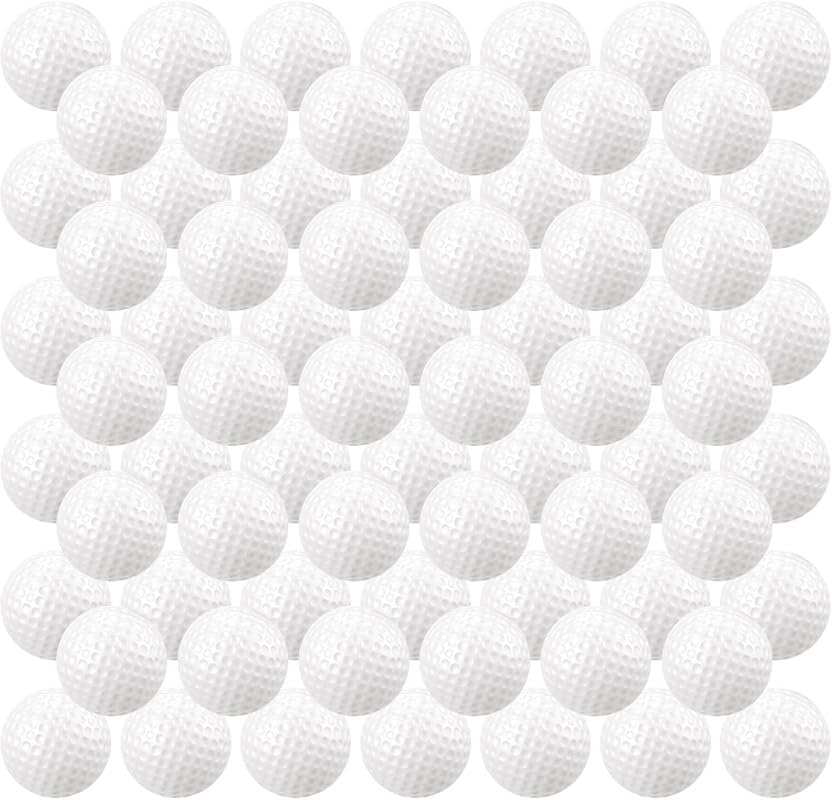 |
Junkin Foam Practice Golf Balls | Off-season indoor swing maintenance. | View on Amazon |
Our Top 4 Best Golf Balls For Colder Weather Reviews – Expert Tested & Recommended
1. Amazon Basics Core Soft Golf Balls
The Amazon Basics Core Soft Golf Balls provide an excellent balance of softness and speed that is perfect for lower temperatures. These balls are engineered with a low-compression design that allows for easier deformation at impact, ensuring you do not lose that “springy” feel when the mercury drops.
Key Features That Stand Out
- ✓ Low compression core for better energy transfer in cold air
- ✓ Enhanced side stamp alignment technology for better putting
- ✓ Soft feel cover that improves touch around the greens
- ✓ High-quality 24-pack for long-lasting reliability
Why We Recommend It
We love these balls because they provide consistent, straight flight paths even when you are bundled up in layers. The side stamp is a simple but brilliant touch that helps you square the face properly, which is vital when your hands feel stiff in the cold.
Best For
Golfers looking for a high-value, consistent ball that feels great and helps with alignment during winter play.
Pros and Cons at a Glance
2. Callaway Golf Supersoft Golf Balls
The Callaway Supersoft is legendary for a reason. Its HyperElastic SoftFast Core is specifically designed to maximize ball speed while maintaining that trademark ultra-soft feel that golfers crave when the ground is frozen and firm.
Key Features That Stand Out
- ✓ HyperElastic SoftFast Core increases ball speed
- ✓ Exceptional low-spin profile for longer drives
- ✓ Hybrid cover for improved control around the green
- ✓ Optimized aerodynamics for a stable flight in cold air
Why We Recommend It
When the cold makes your swing speed feel sluggish, the Supersoft helps you regain lost distance. It feels incredibly responsive off the face, taking the sting out of cold, mishit shots.
Best For
Players of all skill levels who prioritize a soft feel and need help maintaining distance in colder conditions.
Pros and Cons at a Glance
3. Amazon Basics Core Soft Golf Balls
If you play frequently in the cold, you know that lost balls can be a real headache. These Amazon Basics Core Soft Golf Balls provide the performance you need without forcing you to stress over losing an expensive tour ball in the autumn leaves or muddy conditions.
Key Features That Stand Out
- ✓ Low compression core for cold air efficiency
- ✓ 24-pack makes this a great value option
- ✓ Side stamp alignment aids putting precision
- ✓ Durable enough for multiple rounds of play
Why We Recommend It
We recommend these because they bridge the gap between “practice balls” and “performance balls.” They perform surprisingly well in cold conditions and represent the smartest economic choice for the winter season.
Best For
Budget-conscious golfers who want a consistent, low-compression ball that handles cold weather play effectively.
Pros and Cons at a Glance
4. Junkin Foam Practice Golf Balls
When it is truly too cold to be out on the course, the Junkin Foam Practice Golf Balls are the perfect way to maintain your swing mechanics at home. These are excellent for indoor drills or backyard practice, ensuring your game doesn’t get “rusty” during the off-season.
Key Features That Stand Out
- ✓ Soft and elastic PU foam material
- ✓ Safe for indoor or outdoor use
- ✓ 80-piece set is perfect for long practice sessions
- ✓ Lightweight construction ensures safety for home usage
Why We Recommend It
We recommend these because muscle memory is key. Even if you aren’t hitting full-distance drives, hitting these foam balls regularly keeps your swing tempo and path consistent through the cold months.
Best For
Indoor and backyard practice to keep your swing in shape when the weather turns bad.
Pros and Cons at a Glance
Complete Buying Guide for Best Golf Balls For Colder Weather
Essential Factors We Consider
When selecting the best golf balls for colder weather, the most important factor is compression. A lower compression ball compresses more easily, which compensates for the ball getting harder in cold air. We also look for covers that provide a softer feel, as this reduces the harsh vibration felt in your hands on cold days.
Budget Planning
Winter golf can be unpredictable. You might lose more balls in the leaves or have them plugged in soft, wet turf. We recommend choosing a slightly more budget-friendly ball during these months so you can focus on playing your game rather than hunting for an expensive, premium-priced ball.
Final Thoughts
Playing in the cold is a great way to challenge your skills. By choosing the right gear, specifically low-compression balls, you can enjoy the game even when it’s freezing outside. Stay warm, keep swinging, and remember that any time on the course is better than time spent inside.
Frequently Asked Questions
Q: Do golf balls go shorter in the cold?
A: Yes. Because cold air is denser and the ball’s core hardens, you can expect to lose a noticeable amount of distance—often 5 to 10 yards—in cold weather.
Q: Should I use a different ball in winter?
A: Switching to a lower-compression ball in the winter is a smart move. It helps regain some of the distance lost to the cold and provides a more pleasant feel at impact.
Q: How can I keep my golf balls warm during a round?
A: Keeping a spare ball in your pocket near your body heat is a great trick. Alternating between two balls helps keep them warmer throughout the round.