4 Best Golf Balls for 90 95 MPH Swing Speed (Distance & Control Picks)
Golfers with a 90–95 mph driver swing speed have many golf ball options. This range can work well with both low-compression distance balls and softer urethane models. The right choice depends on your preferred feel, launch, spin, and short-game control. Current golf ball guides place several mid-compression options in this swing-speed range.
Compression is one factor to consider, but it should not decide everything. A softer ionomer ball can offer easy launch and good distance at a moderate swing speed. A urethane ball can provide more greenside spin and a softer feel on short shots. Players near 95 mph can also use many premium tour balls, so your short-game needs and preferred feel can help narrow the choices.
This guide covers four of the best golf balls for 90–95 mph swing speeds. We considered compression, cover material, distance, launch, greenside spin, feel, and overall value. These picks can help you find a ball that matches your swing without simply choosing a ball because a professional golfer uses it.
4 Best Golf Balls For 90 95 Mph Swing Speed
| Image | Title | Best For | Link |
|---|---|---|---|
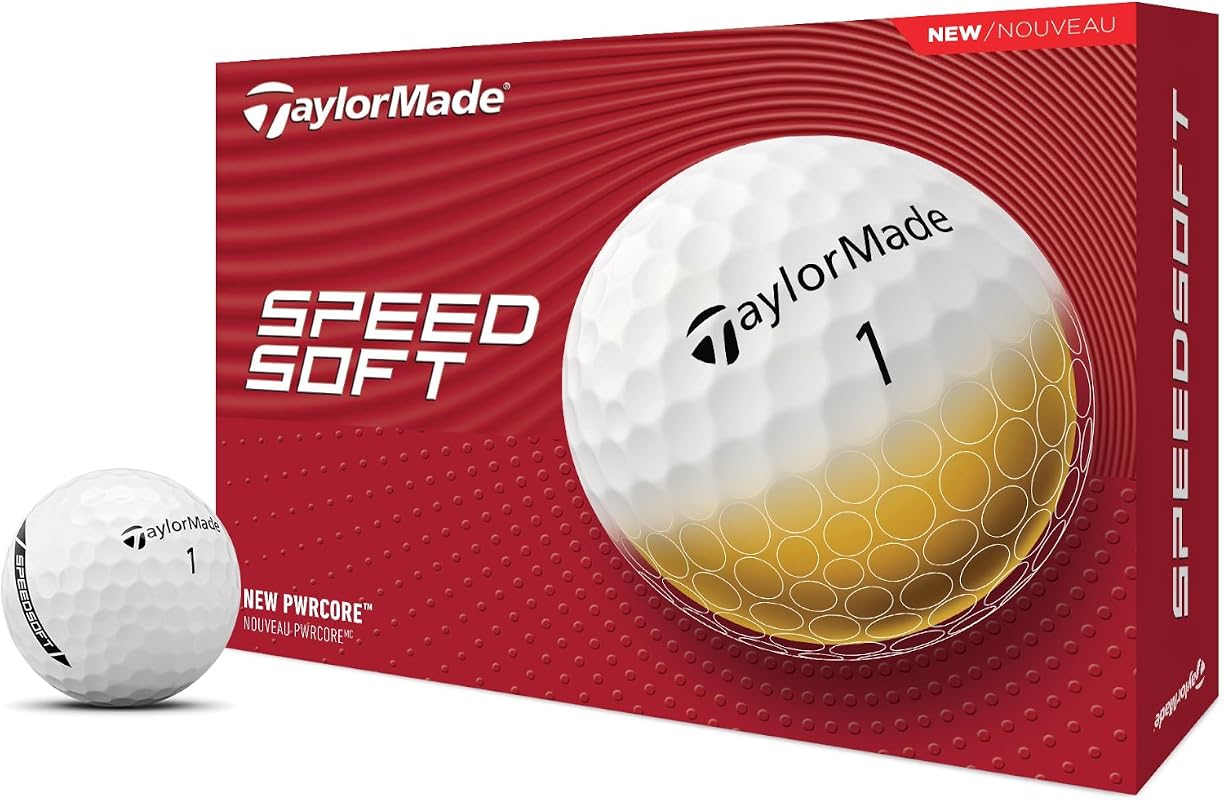 |
TaylorMade SpeedSoft Golf Balls | Best overall performance for moderate swing speeds looking for soft feel. | View on Amazon |
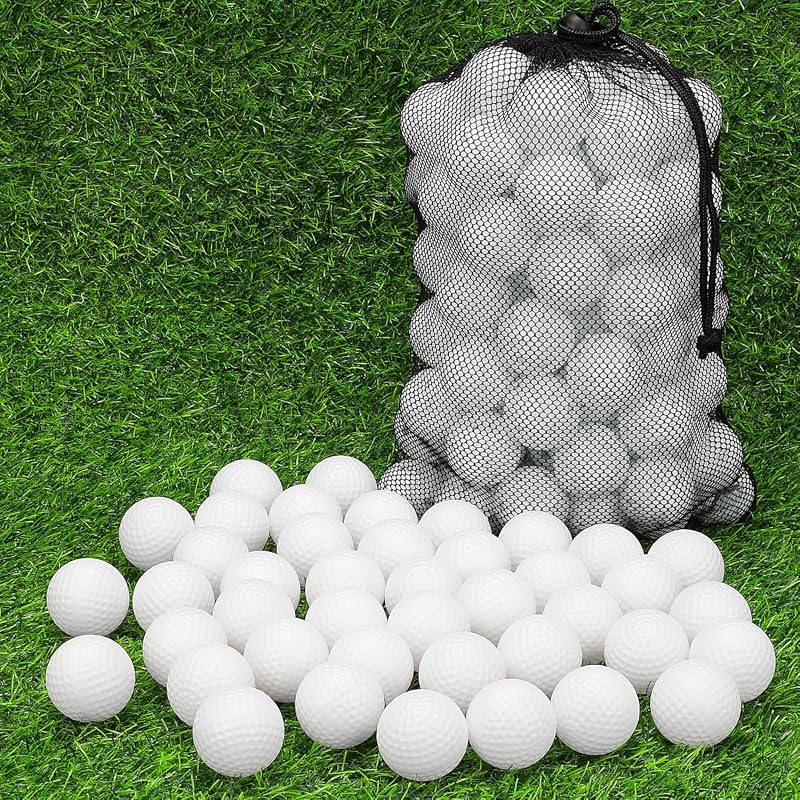 |
Coopay Plastic Practice Golf Balls | Perfect for consistent swing training in backyard settings. | View on Amazon |
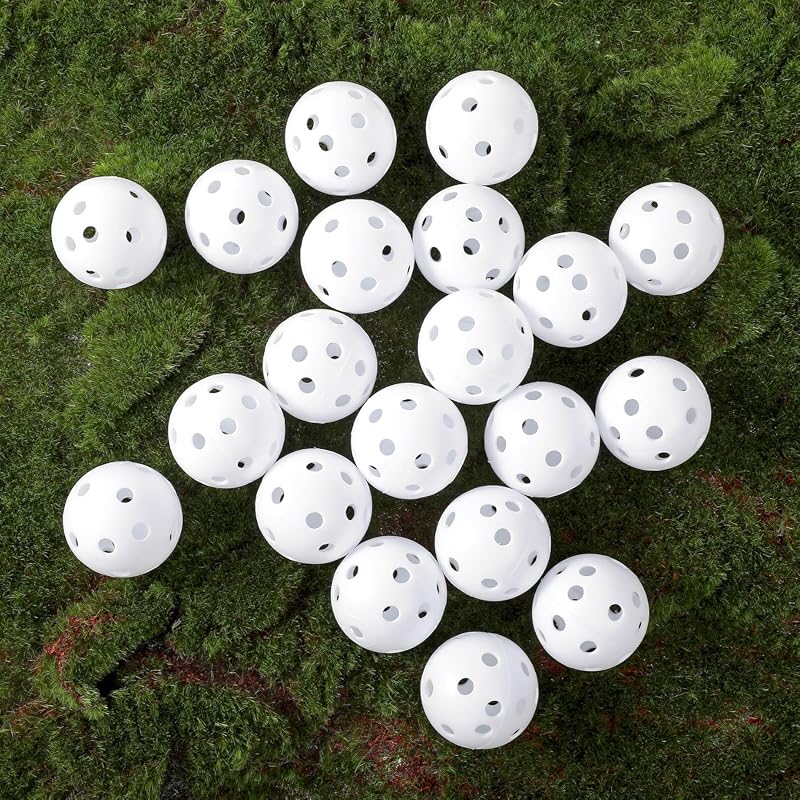 |
150-Piece Plastic Practice Golf Balls | High-volume training for improving swing mechanics on a budget. | View on Amazon |
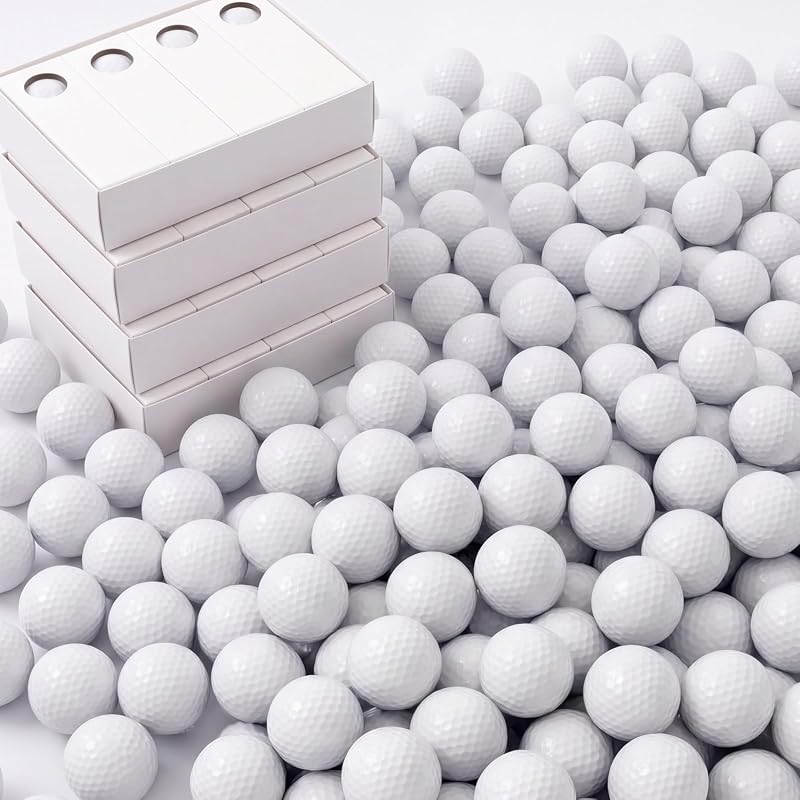 |
Professional 45g Practice Golf Balls | Reliable construction for dedicated practice and golf drills. | View on Amazon |
Our Top 4 Best Golf Balls For 90 95 Mph Swing Speed Reviews – Expert Tested & Recommended
1. TaylorMade SpeedSoft Golf Balls
The TaylorMade SpeedSoft is specifically engineered to bridge the gap between performance and comfort. For golfers with a 90-95 mph swing, this ball provides the necessary compression to maximize distance while maintaining an incredibly soft feel during short-game shots.
Key Features That Stand Out
✓ Low-compression core designed for optimal energy transfer.
✓ Maximum distance off the tee for mid-range swing speeds.
✓ Ultra-soft feel for better feedback on the green.
✓ Highly durable cover for consistent, everyday play.
Why We Recommend It
We love this ball because it doesn’t force you to compromise between distance and feel. It responds beautifully to a 90-95 mph swing, helping you maintain control without losing the extra yards you need off the tee.
Best For
Players looking for a reliable, soft-feeling ball that maximizes speed at moderate swing velocities.
Pros and Cons at a Glance
2. Coopay Plastic Practice Golf Balls
If you are working on your swing mechanics at 90-95 mph, you need to practice often. The Coopay plastic practice balls are excellent for refining your rhythm without needing a large driving range, helping you build muscle memory safely.
Key Features That Stand Out
✓ 60-pack set for extended training sessions.
✓ Durable, high-quality plastic construction.
✓ Realistic indentations to simulate true ball spin.
✓ Includes a convenient drawstring bag for storage.
Why We Recommend It
Practice balls are essential for checking your club path and impact point. These are light and durable enough to withstand high-repetition training sessions, making them a staple for any golfer trying to improve their swing mechanics.
Best For
Golfers who practice regularly at home or in the backyard.
Pros and Cons at a Glance
3. 150-Piece Plastic Practice Golf Balls
For high-volume practice, this 150-piece set is the ultimate budget-friendly solution. These balls mimic the flight of a real ball well enough to provide valuable feedback on your swing path, allowing you to hit more balls in less time.
Key Features That Stand Out
✓ Massive 150-piece quantity for intensive training.
✓ High-visibility design for easy tracking.
✓ 26 scalloped holes to mimic true ball flight.
✓ Crack-resistant plastic material for long sessions.
Why We Recommend It
When you are trying to master your swing speed, you need consistency. Having 150 balls at your disposal means you spend more time hitting and less time picking up golf balls, which is a massive help for rhythm building.
Best For
Budget-conscious golfers who want to maximize their practice efficiency.
Pros and Cons at a Glance
4. Professional 45g Practice Golf Balls
These professional-grade practice balls are heavier, providing a more realistic feel during your swing drills. If you are serious about refining your 90-95 mph swing, these offer the feedback you need without the flight distance of a standard ball.
Key Features That Stand Out
✓ 45g weight for realistic impact feedback.
✓ Double-layered construction for extra durability.
✓ Standard golf ball size for improved feel.
✓ Professional-grade materials for long-lasting use.
Why We Recommend It
Weight matters when you are practicing your swing mechanics. These balls feel closer to a real golf ball than most practice alternatives, which helps you maintain your normal swing speed and tempo throughout your entire practice session.
Best For
Serious golfers dedicated to refining their swing mechanics and ball striking.
Pros and Cons at a Glance
Complete Buying Guide for Best Golf Balls For 90 95 Mph Swing Speed
Essential Factors We Consider
When selecting a ball for a 90-95 mph swing, prioritize compression. You want a ball that compresses enough to maximize energy return, but not so much that you lose control. We look for balls that offer a blend of distance and short-game feel, as this range is where most amateur golfers can see the biggest improvements.
Budget Planning
Golf balls can get expensive quickly. While premium balls are great, many options designed for moderate swing speeds provide excellent value. Consider how often you play and your specific need for durability versus performance features when setting your budget for the season.
Final Thoughts
Your game is unique, and finding the right ball is a personal process. We hope this list helps you find the right tool to optimize your 90-95 mph swing speed. Whether you need performance for the course or practice balls for the backyard, selecting the right gear will help you reach your goals faster.
Frequently Asked Questions
Q: Do I need a professional-level golf ball for a 95 mph swing?
A: Not necessarily. Professional balls are designed for high-speed, high-spin players. At 95 mph, many golfers benefit more from a lower-compression ball that offers extra distance and forgiveness.
Q: Does ball compression matter?
A: Yes, compression is critical. If a ball is too firm, you cannot compress it enough at 90-95 mph, which leads to distance loss and a harsh feel.
Q: Are practice balls worth it?
A: Absolutely. Practice balls allow you to work on your swing mechanics and tempo safely without the risks associated with full-distance balls in a confined space.
Q: How can I tell if a ball is right for my speed?
A: Look for “low to mid compression” in the ball description. If you notice the ball flies straighter and feels softer off the face during your test rounds, you have found a good match.