What To Wear Golfing In Winter: Stay Warm And Swing Well
Introduction
Winter golf in the United States calls for warm, flexible clothing that blocks wind, manages sweat, and lets you swing freely. The best outfit is not one thick coat. It is a set of light layers that you can add or remove as the temperature, wind, sun, and activity level change.
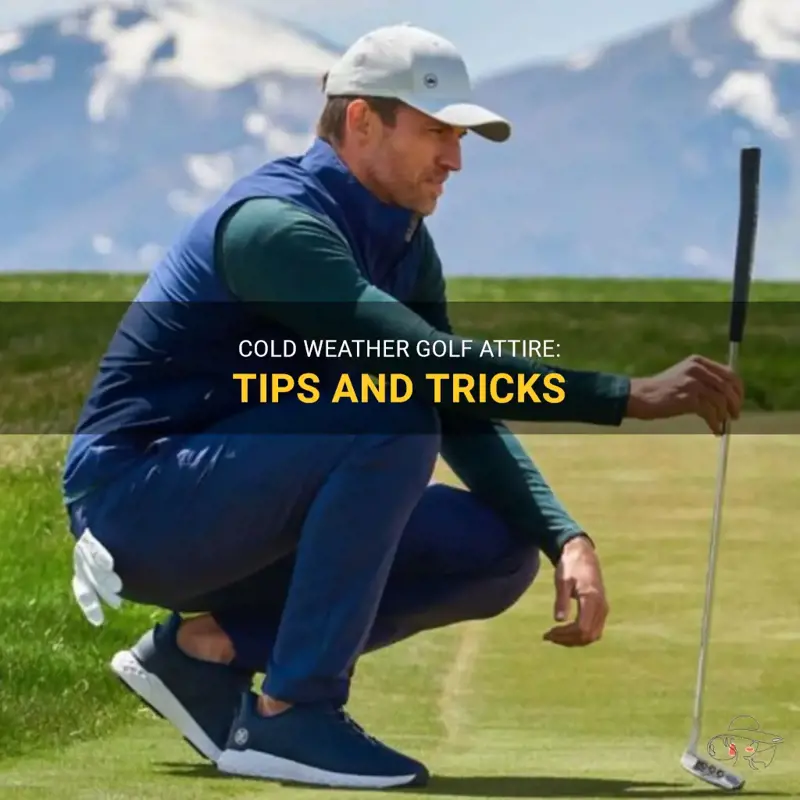
Start with a moisture-wicking base layer. Add an insulating midlayer, such as fleece or a light puffy vest. Finish with a windproof and water-resistant outer layer. Wear warm socks, waterproof golf shoes, a winter glove or rain glove, a hat that covers your ears, and clothing that does not restrict your shoulders.
The right choice also depends on your U.S. location. A damp 45°F morning in the Pacific Northwest can feel colder than a dry 35°F morning in Arizona. Wind, rain, shade, and early tee times can change the experience quickly.

The Best Winter Golf Outfit at a Glance
A reliable winter golf outfit uses three clothing layers:
- Base layer: Moves sweat away from your skin.
- Midlayer: Traps warm air near your body.
- Outer layer: Blocks wind and light rain.
Wear these with:
- Stretch golf pants or thermal-lined pants
- Warm, moisture-wicking socks
- Waterproof or water-resistant golf shoes
- A beanie or ear-covering golf hat
- A neck gaiter or buff
- A golf glove suited to cold or wet weather
- Lightweight hand warmers
- A packable rain shell or wind shell
Avoid cotton next to your skin. Cotton absorbs sweat and dries slowly. Once damp, it can make you feel cold during a slow round or while standing on the tee.
Your outfit should feel warm while you wait, but not bulky when you swing. If your arms feel tight at address, remove a layer or replace a heavy jacket with a thinner vest or stretch shell.
How to Layer for Winter Golf
Layering works because each garment serves a different job. The base layer controls moisture, the middle layer holds heat, and the outer layer protects you from wind and water.
1. Choose a moisture-wicking base layer
Wear a fitted long-sleeve base layer under your golf shirt. Good materials include:
- Polyester
- Merino wool
- Nylon blends
- Technical synthetic fabrics
A base layer should sit close to your skin without feeling tight. It should not bunch under your armpits or across your back.
Merino wool can help manage moisture and odor. Synthetic fabric often dries fast and may cost less. Either can work well. The key is to avoid a loose cotton shirt as your main next-to-skin layer.
For very cold mornings, add thermal bottoms under your golf pants. Choose a pair with stretch so your hips and knees can move through the golf swing.
2. Add an insulating midlayer
The midlayer keeps warm air close to your body. Choose one based on the temperature and wind:
- Lightweight fleece
- Stretch quarter-zip
- Thermal golf pullover
- insulated vest
- Thin synthetic puffy layer
A vest can work well because it warms your core without adding bulk to your arms. This may help golfers who dislike the restricted feel of a heavy jacket.
Fleece is useful in dry weather. A thin insulated layer may provide more warmth with less bulk. In damp areas, synthetic insulation is often easier to manage than down because synthetic fill generally keeps insulating when wet, though no wet garment feels as warm as a dry one.
3. Use a protective outer layer
The outer layer should block wind and light rain. Look for:
- A wind shirt
- A stretch rain jacket
- A waterproof golf jacket
- A soft shell with room for your base and midlayers
A golf outer layer should allow your shoulders to rotate. Check the fit by making a full practice swing before you play.
Water-resistant and waterproof do not mean the same thing. A water-resistant jacket may handle mist or a short shower. A waterproof jacket offers more protection, but it may feel warmer and less breathable.
For steady rain, wear rain pants over your golf pants. For light wind with no rain, a thin wind shell may be more comfortable than a full rain jacket.

What to Wear Based on Temperature and Weather
Temperature alone does not tell you what to wear. Wind, rain, humidity, sun, and how long you will stand still all matter.
Use this table as a starting point, not a strict rule:
| Conditions | Upper body | Lower body | Key extras |
|---|---|---|---|
| 50–59°F, dry and calm | Long-sleeve base or golf shirt with a light pullover | Stretch golf pants | Cap, light gloves |
| 40–49°F, cool or breezy | Base layer, fleece or vest, wind shell | Thermal tights under golf pants if needed | Beanie, neck gaiter |
| 32–39°F, cold | Thermal base, insulating midlayer, windproof shell | Thermal bottoms and warm pants | Winter gloves, hand warmers |
| Below 32°F, dry | Full base and midlayer system with a flexible outer shell | Thermal bottoms, insulated or lined pants | Ear coverage, warm socks |
| Any temperature with rain | Moisture-wicking base, waterproof outer shell | Waterproof rain pants | Waterproof shoes, spare gloves |
| Frost or frozen ground | Warm layers with traction-focused shoes | Warm pants with room to move | Check course policy and footing |
These ranges assume typical recreational play in the United States. A golfer who walks may need fewer layers than someone who rides in a cart. Walking creates body heat, while long waits on the tee can make you feel cold again.
Wind changes the clothing decision
Wind removes heat from exposed skin. The National Weather Service uses the wind chill index to describe how cold the air may feel on bare skin when wind is present.
You do not need to calculate wind chill for every shot. Instead, use it as a simple reminder: if the day feels much colder in the wind, prioritize a windproof outer layer, ear coverage, and gloves.
A fleece jacket alone may feel warm in still air but cold on an exposed tee box. A thin wind shell over that fleece can make a large difference without adding much weight.
Rain calls for a different system
Rain can make a mild day feel cold. Wet clothing also becomes heavy and may limit your swing.
Choose rain gear with:
- A hood that does not block your view
- A smooth outer surface that does not catch the club
- Stretch panels or a golf-specific cut
- Enough room for a base layer
- Adjustable cuffs
- Pants that fit over your golf shoes
Keep a dry glove and an extra pair of socks in your golf bag. Put wet items in a separate plastic bag so they do not soak the rest of your gear.

What to Wear on Your Head, Hands, and Feet
Small accessories often decide whether a winter round feels comfortable. Your head, hands, and feet can become cold while the rest of your body still feels fine.
Head and neck
Wear a beanie or winter golf hat that covers your ears when the air is cold or windy. A baseball cap may protect your eyes from low sun, but it leaves your ears exposed.
A neck gaiter can cover your neck and lower face. It is easier to adjust than a fixed scarf and less likely to hang near the club during your swing.
Do not cover your face so heavily that your breath makes your eyewear fog. If you wear glasses, choose a gaiter that can sit below your nose when needed.
Hands
Cold hands can affect grip pressure and feel. Carry two pairs of gloves if possible:
- A normal golf glove for regular shots
- A winter golf glove, rain glove, or hand warmer for colder conditions
Some golfers use a glove on both hands during very cold weather. This can help with warmth, but it may change grip feel. Practice with the gloves before the round if possible.
Keep hand warmers in your pockets rather than directly against bare skin. Follow the product instructions. If a warmer becomes uncomfortably hot, remove it.
Use a separate warm mitten between shots. You can remove it before each shot and put it back on while walking or waiting.
Feet
Cold, wet feet can ruin a round. Wear moisture-wicking wool or synthetic socks. Avoid stacking too many pairs of socks because tight shoes reduce circulation.
Your winter golf shoes should provide:
- Waterproof protection
- Secure traction
- Enough room for warm socks
- A stable platform
- Flexible movement for walking and swinging
Golf courses may have wet grass, frost, mud, or slippery paths in winter. Choose traction based on the course surface and local rules. Spiked and spikeless shoes can both work, but confirm that your course allows the type you plan to wear.

Choosing Winter Golf Pants
Wear pants that keep you warm without limiting hip rotation. Good choices include:
- Stretch golf pants
- Brushed-back golf pants
- Fleece-lined golf pants
- Thermal leggings under standard golf pants
- Waterproof rain pants over a base layer
Avoid thick jeans for golf. Denim can hold moisture, feel stiff, and restrict your turn.
If you wear thermal bottoms, check the fit before playing. The fabric should stay smooth under your pants. Wrinkles near the knee or hip can rub during a long round.
For wet conditions, use rain pants with enough room to move. A tight outer layer can pull across your hips during the backswing. A very loose pair may catch on the club or make walking harder.
How to Keep Warm Without Ruining Your Swing
Warmth matters, but golf clothing must also support movement. A heavy coat may feel comfortable in the parking lot but become a problem at address.
Use these checks before teeing off:
- Put on every planned layer.
- Grip your club normally.
- Make several slow practice swings.
- Reach both arms across your chest.
- Bend to place a ball or tee.
- Walk for five minutes.
If the jacket pulls across your shoulders, switch to a lighter layer or a stretch shell. If your hands feel cold, use a warmer between shots instead of adding a bulky jacket.
Keep your most removable layer near the top of your golf bag. Weather can change during an 18-hole round. A jacket that is easy to reach is more useful than one buried beneath balls, towels, and rain gear.
A cart windshield, early shade, and long waits can make you colder than expected. Walk when course conditions and your health allow it, but do not treat walking as a substitute for proper clothing.

Winter Golf Clothing Checklist
Pack this checklist before a cold-weather tee time:
Clothing
- Moisture-wicking long-sleeve base layer
- Thermal bottoms, if needed
- Stretch golf shirt or quarter-zip
- Fleece, vest, or light insulated layer
- Windproof or waterproof shell
- Warm stretch golf pants
- Rain pants for wet forecasts
- Warm socks
- Waterproof golf shoes
Accessories
- Beanie or ear-covering hat
- Neck gaiter
- Golf gloves
- Warm mittens
- Hand warmers
- Extra socks
- Extra gloves
- Towel
- Waterproof bag cover
- Sunscreen
- Lip balm
Winter sun can still damage skin, especially when it reflects from snow or bright surfaces. Sunglasses may also help with glare from a low winter sun.
Keep an extra layer in your car or golf bag. Forecasts can miss changes in wind and rain, and course conditions can differ from conditions at home.

Common Winter Golf Clothing Mistakes
Wearing one thick coat
A heavy coat may trap heat, but it often restricts your shoulders. Several thin layers give you more control and usually allow a better golf swing.
Wearing cotton as the main base layer
Cotton can feel comfortable at first. Once it absorbs sweat, it may stay damp and make you cold. Use a synthetic or merino base layer instead.
Choosing fashion over traction
Smooth casual shoes may look fine but can slip on wet grass. Use golf shoes with suitable traction, especially on slopes and damp fairways.
Wearing shoes that are too tight
Extra socks do not help if they crowd your feet. Tight footwear may reduce comfort and make your feet feel colder.
Forgetting the wind
A calm-weather outfit may fail on an exposed course. Pack a wind shell even when the forecast looks mild.
Ignoring wet gloves
A wet grip can slip. Carry a dry replacement glove and keep it in a protected pocket or pouch.
Overheating at the start
Do not dress for the coldest moment only. You may warm up after walking several holes. Use removable layers so you can adjust without soaking your base layer in sweat.

Winter Golf Safety and When to Stop
Cold-weather golf is not only a comfort issue. Cold, wet, and windy conditions can raise the risk of frostbite, hypothermia, slips, and reduced coordination.
The Centers for Disease Control and Prevention advises people to recognize signs of hypothermia, including:
- Shivering
- Extreme tiredness
- Confusion
- Fumbling hands
- Memory problems
- Slurred speech
- Drowsiness
Frostbite may cause numbness, pale or gray skin, or skin that feels firm or waxy. If you notice these signs, stop playing and seek a warm place. Do not rub suspected frostbite. Get medical help for serious or persistent symptoms.
Stop or delay the round if:
- Lightning is present
- Roads or paths are unsafe
- The course has dangerous ice
- You cannot keep your hands warm
- Your clothing is soaked through
- You feel confused, weak, numb, or unwell
Course staff may close the course because of frost, lightning, ice, or unsafe ground. Follow those instructions. Also check local rules before playing in frost, since walking on frozen turf can damage the course.
People with medical conditions that affect circulation, sensation, or cold tolerance should ask a qualified health professional how to plan for cold outdoor activity.

What to Wear Golfing in Winter FAQs
Can I wear a puffer jacket while golfing?
Yes, but choose a thin, flexible puffer rather than a bulky winter coat. A vest can warm your core while leaving your arms free. Make several practice swings before the round to check your range of motion.
Are jeans okay for winter golf?
Jeans can work in dry, casual conditions, but they are usually less flexible and less moisture-friendly than golf pants. Stretch pants or thermal golf pants are better for walking, bending, and swinging.
What should I wear golfing in 40-degree weather?
Start with a long-sleeve moisture-wicking base layer, a fleece or vest, and a wind shell. Add warm golf pants, wool or synthetic socks, a beanie, and gloves. Adjust the outfit for wind, rain, and whether you walk or ride.
Should I wear two pairs of socks for winter golf?
Usually, no. Two pairs may make your shoes too tight and reduce comfort. One warm, moisture-wicking pair with enough room in the shoe is often the better choice.
What gloves are best for cold-weather golf?
Winter golf gloves, rain gloves, or warm gloves designed for grip can help. Many golfers use warm mittens between shots and a golf glove during the shot. Test the glove style before playing because thicker gloves can change club feel.
How do I keep my golf balls warm in winter?
Keep balls in a pocket or insulated compartment rather than leaving them exposed on a cold cart. Temperature can affect feel and distance, but a warm ball will not remove the need to adjust for cold air, wind, and course conditions. Avoid heating balls with unsafe or extreme methods.
Conclusion
The best winter golf outfit for U.S. courses is flexible, layered, and ready for wind or rain. Wear a moisture-wicking base layer, add light insulation, and finish with a windproof or waterproof shell. Protect your hands, ears, neck, and feet, and choose shoes with enough room and suitable traction.
Before you leave, check the forecast for temperature, wind, rain, and course conditions. Pack one more useful layer than you expect to need. If your clothes stay dry, your hands stay warm, and your shoulders can turn freely, you are ready for a safer and more comfortable winter round.