What To Wear Golfing In The Rain: Stay Dry
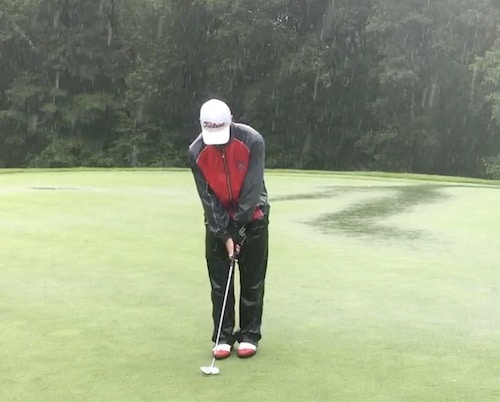
Golfing in the rain is much easier when you dress to stay dry, warm, mobile, and safe. For most golfers in the United States, the best setup is a moisture-wicking base layer, a lightweight waterproof rain jacket, waterproof rain pants, a brimmed hat, rain gloves, and golf shoes with reliable traction.
Your clothing should block rain without restricting your golf swing. It should also match the weather risk. A light summer shower calls for different gear than a cold, windy storm in the Pacific Northwest or a fast-moving thunderstorm in the Southeast.
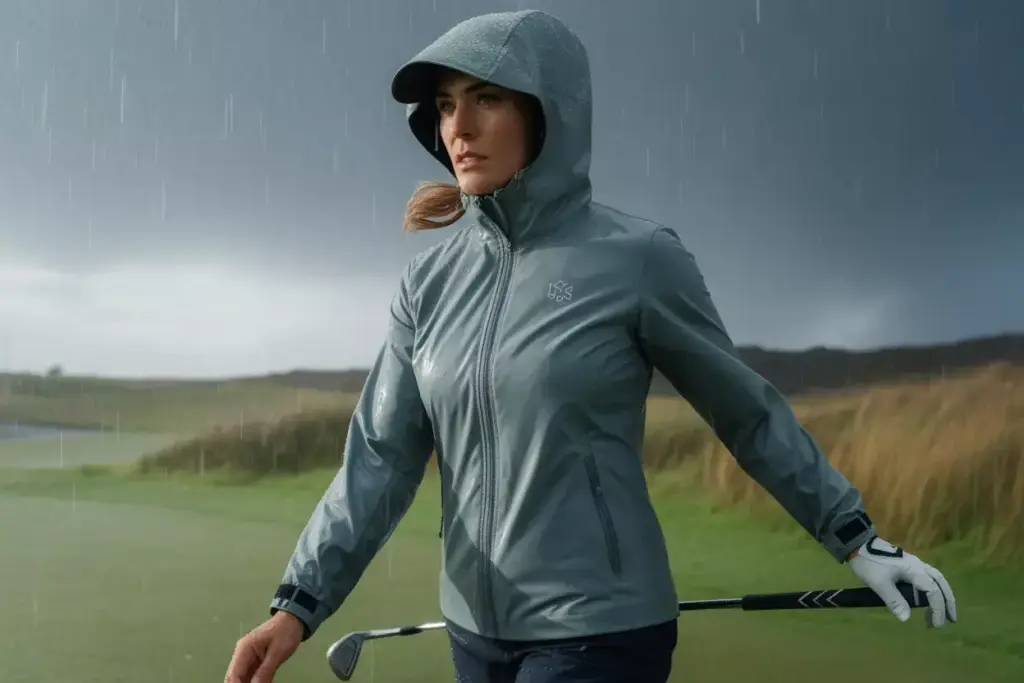
The Best Golf Rain Gear, Layer by Layer
The most reliable rain outfit uses layers. Each layer has a separate job: move sweat away from your skin, hold in warmth, and block rain and wind.
1. Moisture-wicking base layer
Start with a thin shirt made from polyester, nylon, or merino wool. These fabrics move moisture away from your skin better than cotton.
Cotton absorbs water and dries slowly. Once wet, it can make you feel cold, heavy, and uncomfortable. A synthetic or merino base layer stays more useful during a long round.
Choose:
- A short-sleeve shirt for warm, humid rain
- A long-sleeve shirt for cool conditions
- A thin thermal top when temperatures are low
- A close but not tight fit to preserve your swing
Avoid thick base layers. They can bunch under a rain jacket and limit shoulder movement.
2. Midlayer for cold rain
Add a light midlayer when the temperature is cool. A thin fleece, golf pullover, or synthetic insulated vest can add warmth without creating too much bulk.
A vest can work well because it warms your torso while leaving your arms free. A heavy sweatshirt is less useful in steady rain because it absorbs water and can make your jacket feel tight.
For cold U.S. conditions, use this order:
- Moisture-wicking base layer
- Thin fleece or vest
- Waterproof golf jacket
- Waterproof rain pants over your golf pants
3. Waterproof golf jacket
A rain jacket is the most important part of a wet-weather golf outfit. Look for a jacket that is:
- Waterproof, not only water-resistant
- Made with sealed or taped seams
- Cut for a full golf swing
- Light enough to wear for several hours
- Ventilated under the arms or across the back
- Long enough to cover your lower back
- Adjustable at the cuffs and hem
- Quiet enough that fabric noise does not distract you
A water-resistant jacket may handle mist or a short shower. It may not keep you dry during hours of steady rain. Waterproof fabric and sealed seams offer better protection, but no garment stays fully dry forever under all conditions.
Try the jacket with both arms raised. Practice a slow backswing. If the shoulders pull or the cuffs ride up, the jacket may not fit well for golf.
4. Waterproof rain pants
Rain pants protect your legs and keep water from soaking through your golf trousers. They are especially useful when you walk the course.
Choose pants with:
- A waterproof outer shell
- Full or generous leg openings
- An elastic or adjustable waist
- Zippers or snaps at the ankles
- Enough room to fit over golf pants
- Pockets that remain accessible
– Stretch in the fabric, if available
You can wear rain pants over shorts in warm weather. In cooler weather, wear them over lightweight golf pants or other quick-drying trousers.
Do not choose rain pants so loose that they catch on your golf shoes or cart pedals. Extra fabric can create a trip hazard.
5. Hat and face protection
A baseball cap can keep light rain out of your eyes. A wider brim gives better coverage, especially when rain blows toward your face.
A waterproof or water-resistant golf hat works best. A cap with a firm brim also helps when you putt or read greens in rain.
A hood can protect your head, but some hoods block peripheral vision or interfere with your swing. If you use a hood, choose one that adjusts closely around your face and does not fall over your eyes.
6. Golf shoes and socks
Wear golf shoes with strong traction and waterproof protection. Wet grass, slopes, bridges, and cart paths can become slippery.
Spiked and spikeless shoes can both work. The better choice depends on the shoe design, course conditions, and how much traction you need. Check that the outsole still has good grip and that the waterproof membrane has not worn out.
Wear synthetic or merino socks instead of cotton. Carry a spare pair in a sealed plastic bag or waterproof pouch. Dry socks can make a major difference during the back nine.
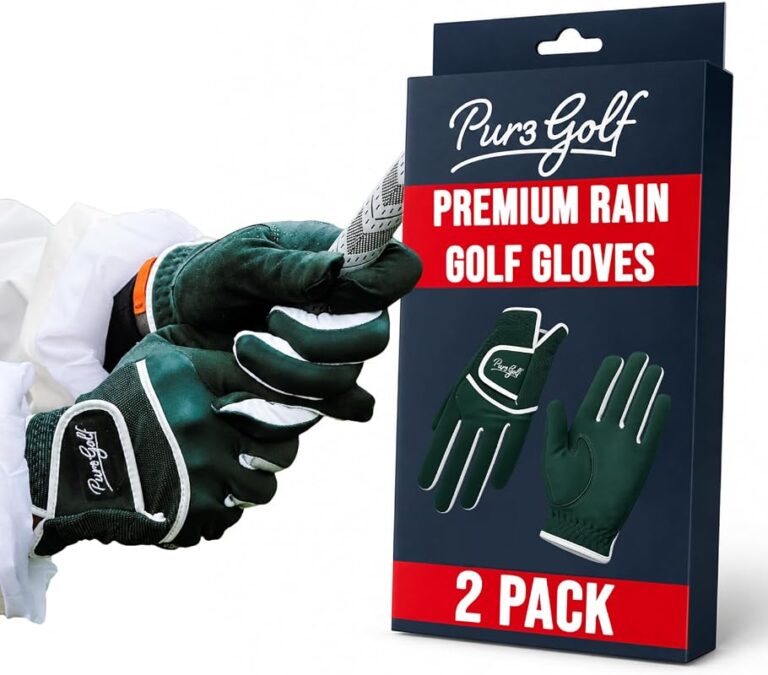
7. Rain gloves
Rain gloves are designed to grip better when wet. Many golfers wear them on both hands during heavy rain.
They are not the same as standard leather golf gloves. Leather gloves can become slick, stiff, or damaged when soaked.
Carry:
- A pair of rain gloves
- At least one spare pair
- A dry towel in a waterproof pocket
- A second towel for clubs and grips
Keep one towel under your umbrella or inside a rain hood. A wet towel does little to dry a grip.

What to Wear in Different Rain and Temperature Conditions
The right golf clothing depends on rain intensity, temperature, wind, humidity, and whether you will walk or ride.
| Conditions | Recommended clothing |
|---|---|
| Warm, light rain | Moisture-wicking shirt, shorts or lightweight pants, waterproof jacket, cap, waterproof shoes |
| Warm, steady rain | Quick-dry shirt, rain pants, waterproof jacket, rain gloves, waterproof shoes |
| Cool rain | Base layer, thin fleece or vest, waterproof jacket, rain pants, warm socks, waterproof shoes |
| Cold and windy rain | Thermal base layer, light insulating midlayer, waterproof shell, rain pants, beanie or brimmed hat |
| Heavy rain while walking | Full waterproof suit, rain gloves, waterproof shoes, spare socks, umbrella or cart cover |
| Rain with thunder and lightning | Seek shelter; clothing is not a substitute for storm safety |
Do not judge conditions by temperature alone. Wind can make wet clothing feel much colder. Humidity can also reduce how well sweat evaporates, even when the air feels warm.
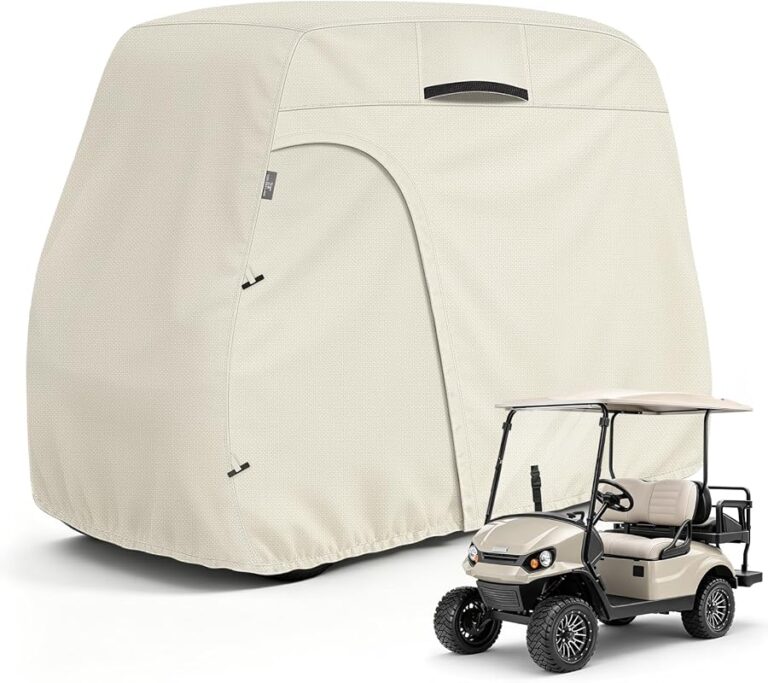
If you ride in a cart, use a rain cover and keep your clothing, gloves, phone, and scorecard in a dry compartment. If you walk, prioritize low weight and ventilation.

How to Build a Rain-Proof Golf Outfit
Use this simple process before you leave for the course.
Step 1: Check the full forecast
Look at the hourly forecast, wind, temperature, rain duration, and thunderstorm risk. A forecast for light rain over one hour requires less gear than a forecast for steady rain throughout the round.
For U.S. weather information, use the National Weather Service and local alerts. Weather can change quickly, especially near the Gulf Coast, the Great Plains, the Rocky Mountains, and the Southeast.
Step 2: Choose the base layer
Pick a moisture-wicking shirt that fits comfortably under your outerwear. If the temperature is below your comfort range, add a thin thermal layer.
Do not start with too many layers. You may warm up after walking several holes, and excess clothing can restrict your swing.
Step 3: Add insulation only when needed
Use a fleece, vest, or thin pullover when the air is cold. Skip heavy cotton sweatshirts in wet weather.
A good test is your first tee shot. If you feel cold while waiting but comfortable after walking, a light midlayer is likely enough.
Step 4: Put on the waterproof shell
Your jacket should cover the base layer and midlayer without pulling across your shoulders. Make sure the cuffs close over or near your gloves.
Close the zipper and adjust the hood, cuffs, and hem before the first tee. Small gaps can let rain enter at the neck, wrists, and waist.
Step 5: Add rain pants before your trousers get wet
Rain pants are easier to put on before heavy rain begins. If they fit over your golf pants, you can wear them from the start when the forecast calls for sustained rain.
Keep them easy to reach if rain is expected later. A golf bag apparel pocket or cart storage compartment can hold them.
Step 6: Prepare your hands and equipment
Put rain gloves on before your grips become soaked. Keep a dry towel under cover and use it often.
Place your phone, wallet, rangefinder, scorecard, and keys in waterproof bags. Water can enter through zippers, pockets, and open golf bag compartments.
Step 7: Reassess during the round
If rain becomes heavier, add rain pants and gloves. If the wind rises, close vents and adjust the jacket. If you become cold, wet, confused, or unsafe, stop and seek shelter.
A successful rain outfit lets you swing normally, maintain grip, and stay warm without constant adjustment.

What to Pack for a Rainy Round
A prepared golf bag can prevent a wet day from becoming a miserable one.
Essential clothing
- Waterproof golf jacket
- Waterproof rain pants
- Rain gloves
- Moisture-wicking shirt
- Spare socks
- Lightweight midlayer
- Brimmed hat or cap
- Waterproof golf shoes
Useful accessories
- Two towels
- Golf umbrella
- Waterproof phone pouch
- Plastic or waterproof bags for wet clothing
- Extra golf gloves
- Cart cover, if you ride
- Dry hat or beanie for cool weather
- Hand warmers for cold conditions
A large golf umbrella can protect you while walking or waiting, but do not use it during lightning. The National Weather Service advises moving to a substantial building or an enclosed, hard-topped vehicle when thunderstorms threaten. No golf outfit makes it safe to remain on an exposed course during lightning.
Pack the most important dry items in separate bags. If your spare socks, phone, and gloves share one open pocket, one leak can ruin all of them.

Common Mistakes When Golfing in the Rain
Wearing cotton
Cotton shirts, socks, and sweatshirts hold water. They can become cold and heavy during a long round.
Use synthetic or merino materials for the layers closest to your skin.
Choosing a jacket that is only water-resistant
Water-resistant clothing may shed light rain but fail during prolonged showers. Check the garment description for waterproof construction, seam protection, and intended use.
Wearing too many layers
A thick outfit can limit your shoulder turn and make the jacket pull during the swing. Use thin layers instead.
Ignoring the hands
Wet grips reduce control. Rain gloves, dry towels, and frequent grip checks are more useful than trying to play with ordinary wet leather gloves.
Forgetting the shoes
Wet socks can cause blisters and discomfort. Waterproof shoes and spare socks are simple ways to improve the round.
Using an umbrella during lightning
An umbrella does not protect you from lightning. Follow course warnings and leave exposed areas when thunderstorms approach.
Leaving wet gear in the golf bag
Open your bag and dry wet gloves, towels, and rainwear after the round. Follow the care instructions for waterproof clothing. Heat from a dryer or heater may damage some waterproof coatings.

How to Choose Between Waterproof and Water-Resistant Golf Clothing
Choose waterproof gear when you expect steady rain, strong wind, or a full round in wet conditions. Choose water-resistant clothing when you expect brief drizzle and want a lighter, more breathable layer.
The terms are not perfectly uniform across all brands. A product label may describe fabric performance under controlled tests, but real-world comfort also depends on seams, zippers, fit, movement, washing, and wear.
Use this decision guide:
- Drizzle for less than an hour: water-resistant jacket may be enough
- Steady rain: waterproof jacket and rain pants
- Wind-driven rain: waterproof, seam-protected outerwear with adjustable cuffs
- Cold rain: waterproof shell over insulating layers
- Walking in wet grass: waterproof shoes and spare socks
- Thunderstorm risk: prioritize shelter, not additional clothing
Breathability also matters. A fully sealed jacket may keep rain out but feel damp inside from sweat. Look for vents, light fabric, and a fit that allows air movement.

Frequently Asked Questions
Can you wear shorts while golfing in the rain?
Yes. Shorts can work in warm rain if your legs will stay comfortable and the course is not cold or windy. Add waterproof rain pants when the rain is heavy, the temperature drops, or you will walk through wet grass.
Are rain gloves worth wearing?
Rain gloves are useful when your grips or hands are wet. They can help maintain a steady hold, especially during heavy rain. Carry a spare pair because even rain gloves can become saturated.
Should you wear a hoodie under a golf rain jacket?
A thin golf hoodie or fleece can work under a roomy rain jacket. Avoid thick cotton hoodies because they add bulk and hold water if they become wet.
Are golf shoes waterproof?
Some golf shoes are waterproof, while others are only water-resistant or designed for dry conditions. Check the product specifications and inspect the shoes for worn seams, damaged membranes, or separated soles.
What should you wear golfing in cold rain?
Wear a moisture-wicking thermal base layer, a thin fleece or vest, a waterproof golf jacket, waterproof rain pants, warm socks, and waterproof shoes. Keep the layers thin enough to allow a full swing.
Key Takeaways
- Wear moisture-wicking layers instead of cotton.
- Use a waterproof golf jacket with sealed seams and room for a full swing.
- Add waterproof rain pants for steady rain or wet grass.
- Use rain gloves and keep your grips dry.
- Wear waterproof shoes and pack spare socks.
- Match your layers to temperature, wind, and rain duration.
- Leave the course or seek proper shelter when lightning threatens.
Conclusion
The best thing to wear golfing in the rain is a light, flexible layering system: a moisture-wicking base layer, optional insulation, waterproof jacket, waterproof rain pants, rain gloves, a brimmed hat, and waterproof golf shoes.
Test the outfit before your round by raising your arms, turning your shoulders, and walking in the shoes. If you can swing freely and keep your hands, feet, and core dry, you have the right setup. If lightning enters the forecast, stop focusing on clothing and move to safe shelter.