
What To Wear Golfing In 50 Degree Weather: Best Outfit
At 50°F (10°C), wear light, flexible layers that block wind without limiting your golf swing. A good outfit is a moisture-wicking shirt, a light sweater or quarter-zip, a windproof vest or jacket, golf pants, warm socks, and water-resistant golf shoes. Add a hat, gloves, or a rain shell if the course is windy or wet.
On a calm, sunny morning in the United States, 50°F can feel comfortable after you start walking. On an open course with wind, shade, or rain, it can feel much colder. Plan for the coldest part of your round, not just the temperature shown on the forecast.

How Cold Does 50 Degrees Feel on a Golf Course?
Fifty degrees is cool rather than truly cold, but wind and moisture can change how it feels. Golf courses often have open fairways with little shelter, so a steady breeze can reach you for hours.
The National Weather Service wind chill chart applies when the air temperature is 50°F or lower and the wind is stronger than about 3 mph. For example, 50°F with a 15 mph wind can feel close to 45°F on exposed skin. Wet clothing can make you feel colder still because water draws heat away from the body.
Your activity level also matters. Walking between shots creates heat, while standing still on the tee box or waiting on a slow group lets your body cool down. A golfer riding in a cart may need a warmer outer layer than a golfer walking the course.
Conditions that change what to wear
| Course condition | How 50°F may feel | Clothing adjustment |
|---|---|---|
| Sunny and calm | Cool but manageable | Light base layer and thin midlayer |
| Cloudy with little wind | Chilly | Add a vest or light jacket |
| Windy and exposed | Colder than the forecast suggests | Wear a windproof outer layer |
| Light rain or damp grass | Cold and clammy | Add a waterproof shell |
| Early morning frost or shade | Slow to warm up | Bring an extra layer and warm hat |
| Riding in a cart | Less body heat from movement | Use a jacket or vest that blocks wind |
Weather forecasts do not always describe the conditions at your tee time. Check the hourly forecast for temperature, wind speed, rain, and the feels-like temperature. The National Weather Service provides these details for U.S. locations through weather.gov.

The Best Layering System for Golf at 50°F
The best golf outfit uses three light layers: a moisture-wicking base layer, a flexible insulating layer, and a wind- or water-resistant outer layer. This system lets you adjust your clothing as your body warms up.
1. Start with a moisture-wicking base layer
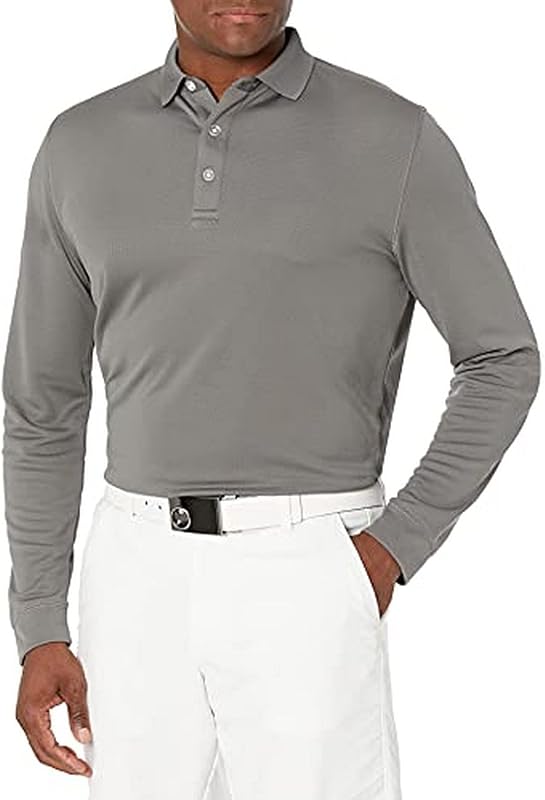
Wear a fitted shirt made from polyester, nylon, merino wool, or another fabric that moves sweat away from your skin. A short-sleeve shirt may work in sunshine, but a long-sleeve base layer is safer for a cool tee time.
Avoid cotton as your only base layer. Cotton absorbs sweat and dries slowly. Once it becomes damp, it can leave you cold during a cart ride or while waiting to hit.
Choose a base layer that sits close to your body but does not feel tight across your chest or shoulders. You need enough room to make a full backswing.
2. Add a warm but thin midlayer
A quarter-zip pullover, golf sweater, fleece, or light vest can provide warmth without adding much bulk. A thin midlayer is often better than one thick sweatshirt because it allows more movement.
Good midlayer choices include:
- Lightweight fleece
- Merino wool sweater
- Performance quarter-zip
- Thin insulated vest
- Stretch knit golf pullover
- Long-sleeve performance shirt
A vest can work well when your arms feel warm but your torso needs protection. It also leaves your shoulders and elbows free for the swing.
3. Finish with a windproof or waterproof shell
Use a light windbreaker when the forecast is dry but breezy. Choose a waterproof golf jacket when rain is possible.
The outer layer should have:
- Stretch fabric
- A smooth fit across the shoulders
- Sleeves that do not cover your hands
- A collar that blocks wind
- Enough room for your base and midlayer
- A quiet fabric that does not distract during the swing
A rain jacket can trap heat, so look for vents or breathable fabric. Waterproof does not always mean comfortable during active movement. If the jacket makes your back sweat, you may feel cold when you stop walking.
Layering works like a thermostat. Remove a layer before you sweat heavily, then put it back on when the wind rises or your pace slows.

What to Wear From Head to Toe
Your clothing should protect your core while keeping your arms, hands, feet, and neck comfortable. Small details matter because an uncomfortable hand or wet foot can affect grip and balance.
Shirt and upper body
A reliable upper-body setup is:
- Long-sleeve moisture-wicking shirt
- Lightweight quarter-zip or sweater
- Windbreaker or rain shell if needed
If you run warm, replace the quarter-zip with a vest. If you run cold, use a thin thermal base layer and a light pullover.
Avoid bulky hoodies unless the course allows them and the hood does not interfere with your swing. Thick fabric under the arms can restrict your turn.
Golf pants
Wear golf pants with stretch and enough room for thermal leggings if needed. Polyester, nylon, soft-shell, and wool-blend pants can work well.
For a dry 50°F day, standard golf pants may be enough when paired with warm socks. For a windy morning, choose lined pants or wear thin thermal tights underneath.
Avoid jeans for most golf rounds. They are stiff, hold moisture, and can restrict your hips and knees. Many U.S. golf courses also limit denim under their dress codes, so check the club’s policy before you play.
Socks
Wear moisture-wicking socks made from wool, merino wool, or synthetic fibers. Medium-weight socks usually provide a good balance between warmth and shoe fit.
Do not wear thick socks if they make your shoes tight. Restricted circulation can make your feet colder. If your shoes become damp, change into dry socks at the turn or keep a spare pair in your golf bag.
Golf shoes
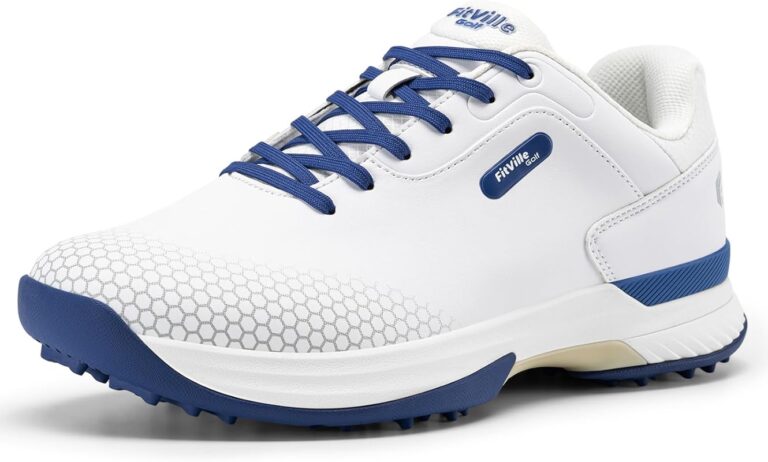
Water-resistant golf shoes are useful in cool weather because morning grass may be wet even when rain is not expected. Spiked and spikeless shoes can both work if they provide stable traction.
Choose shoes with:
- A comfortable fit
- Good grip on damp turf
- Enough room for normal socks
- Water resistance for dew or light rain
- A sole that supports walking
Waterproof shoes are helpful in rain but may feel warmer than breathable shoes. Match the shoe to the course condition rather than wearing the heaviest option every time.
Hat and neck protection
A baseball cap protects your face from sun and light rain, but it does not warm your ears. On a cold or windy morning, wear a beanie, ear warmer, or cap with ear coverage.
A thin neck gaiter can help when wind hits your neck. It is easier to remove than a thick scarf and is less likely to interfere with your swing.
Gloves
A normal golf glove can feel cold in 50°F weather, especially when your hands are damp. Keep an extra glove in a sealed bag so you have a dry option.
Rain gloves may improve grip when the club or glove becomes wet. Winter golf gloves can help between shots, but thick gloves should be removed before you swing unless they are designed for golf.

Outfit Ideas for Different 50-Degree Golf Days
The same temperature can require different clothing. Use the forecast and your normal comfort level to choose the right setup.
Calm, sunny weather
Try:
- Short- or long-sleeve performance shirt
- Lightweight quarter-zip
- Stretch golf pants
- Medium-weight socks
- Water-resistant golf shoes
- Cap and regular golf glove
You may remove the quarter-zip after several holes if you are walking. Keep it nearby because the shade or wind can make the next tee feel colder.
Windy weather
Try:
- Long-sleeve base layer
- Thin fleece or quarter-zip
- Windproof vest or jacket
- Stretch golf pants
- Ear warmer or cap
- Extra glove
Wind protection matters more than adding a very thick sweater. A thin wind shell can keep your body warmer while preserving shoulder movement.
Rainy weather
Try:
- Moisture-wicking base layer
- Light midlayer
- Waterproof rain jacket
- Waterproof golf pants or rain pants
- Waterproof golf shoes
- Rain gloves
- Dry spare socks
Wear the rain shell before your clothes become wet. Once your base layer is soaked, adding a jacket may not restore comfort quickly.
Cold morning that may warm up
Try:
- Long-sleeve base layer
- Quarter-zip
- Packable vest
- Light wind shell
- Golf pants with optional thermal tights
- Warm hat for the first few holes
This outfit gives you several adjustment points. Remove the hat or outer layer as the sun rises, rather than starting in one heavy garment.
Riding in a golf cart
A cart reduces the heat you create through movement and exposes you to wind. Wear a windproof jacket or vest and keep an extra layer in the cart.
A cart blanket can help during long waits, but it should not replace clothing that keeps your hands and core warm.

How to Stay Comfortable During the Round
The best outfit is one you can adjust. Start slightly cool if you expect to walk, but do not begin the round underdressed for strong wind or rain.
Warm up before the first tee
Make a few slow practice swings before removing layers. Cold muscles may feel stiff, and a rushed swing can cause strain. Use a gradual warm-up with shoulder circles, hip movement, and easy swings.
Do not force a full-power swing if your body feels stiff or numb. Take more time to move and warm up.
Manage sweat
Sweat can make a cool round less comfortable. If your back or chest becomes damp, remove a midlayer when safe to do so. Put it back on before you cool down.
Keep a small dry towel in your bag. Use it to dry your hands, grips, or golf glove. A wet grip can affect control.
Keep your hands ready
Carry two pairs of gloves if the forecast calls for rain or high moisture. Store the spare pair in a waterproof bag.
Between shots, place your glove in a pocket or hand warmer. Do not use a hand warmer where it can press against bare skin for a long time. Follow the product instructions, and remove it if your skin becomes hot, painful, or irritated.
Pack for changes
A useful 50°F golf bag setup includes:
- Light windbreaker
- Rain shell
- Spare golf glove
- Spare socks
- Small towel
- Hat or ear warmer
- Hand warmers
- Water bottle
- Sunscreen
Sun protection still matters on cool days. The American Academy of Dermatology advises using sun protection outdoors, even when the air feels cool.

Common Mistakes to Avoid
Wearing one thick sweatshirt
A thick sweatshirt may feel warm at the first tee, but it can restrict your backswing and become too warm after you walk several holes. Several thin layers offer better control.
Ignoring the wind
The air temperature alone does not tell you how comfortable the round will feel. Check wind speed and direction, especially on open courses.
Wearing cotton next to your skin
Cotton can feel comfortable at first. Once damp, it may stay wet and make you cold. Use a synthetic or merino base layer instead.
Choosing tight clothes
Tight sleeves, pants, or shoes can reduce movement and circulation. Your golf clothes should allow a full shoulder turn, comfortable knee bend, and normal walking.
Forgetting course dress rules
Golf course policies vary across the United States. Some clubs require collared shirts, ban denim, or limit certain outerwear. Check the course website or call the shop before your tee time.
Dressing only for the first few holes
Your body may warm up during the round, but weather can also change. Bring a removable layer instead of assuming the temperature will remain steady.
Wearing wet shoes or socks
Wet feet can become cold quickly. Carry dry socks and keep them in a sealed plastic or waterproof bag.

A Simple 50-Degree Golf Outfit Checklist
Use this checklist before leaving home:
- Moisture-wicking shirt
- Lightweight quarter-zip, sweater, or fleece
- Windproof jacket or vest
- Waterproof shell if rain is possible
- Stretch golf pants
- Thermal tights if you run cold
- Moisture-wicking socks
- Water-resistant golf shoes
- Hat or ear warmer
- Golf gloves and spare gloves
- Small towel
- Spare socks
- Sunscreen
- Water
- Hand warmers, used as directed
Before you tee off, check three things: the wind, the chance of rain, and whether you will walk or ride. Those factors often matter more than the 50°F temperature itself.

Frequently Asked Questions
Is 50 degrees too cold to play golf?
No. Many golfers can play comfortably at 50°F with the right layers. Wind, rain, shade, and personal cold tolerance can make the round feel much colder.
Should I wear shorts golfing in 50-degree weather?
Most golfers will be more comfortable in long pants at 50°F, especially during an early tee time, windy round, or cart ride. Shorts may work for a sunny, calm afternoon if you normally run warm and the course dress code allows them.
Should I wear a jacket while golfing?
Wear a light jacket when it is windy, rainy, or cold enough that a sweater does not provide enough comfort. Choose a stretch golf jacket that allows a full swing. A vest may be better when your arms feel warm but your torso needs protection.
What should I wear golfing in 50-degree rain?
Wear a moisture-wicking base layer, a light midlayer, waterproof rain gear, waterproof shoes, and rain gloves. Avoid cotton and bring spare socks and a dry glove.
Are golf gloves useful in cold weather?
Yes. A golf glove can protect your lead hand and help maintain grip. Carry a spare glove, especially in damp weather. Wear thicker winter gloves between shots, but remove them before swinging if they affect your grip.
Conclusion
For golf in 50-degree weather, dress in light layers that manage sweat, block wind, and allow a full swing. Start with a moisture-wicking shirt, add a thin pullover or vest, and carry a windproof or waterproof outer layer. Wear stretch pants, warm socks, and shoes that handle damp turf.
Check the hourly forecast before you leave, then adjust for wind, rain, shade, and whether you will walk or ride. The safest choice is a flexible outfit that lets you add or remove warmth as the round changes.