Do Golf Courses Have A Dress Code: What To Wear
Introduction
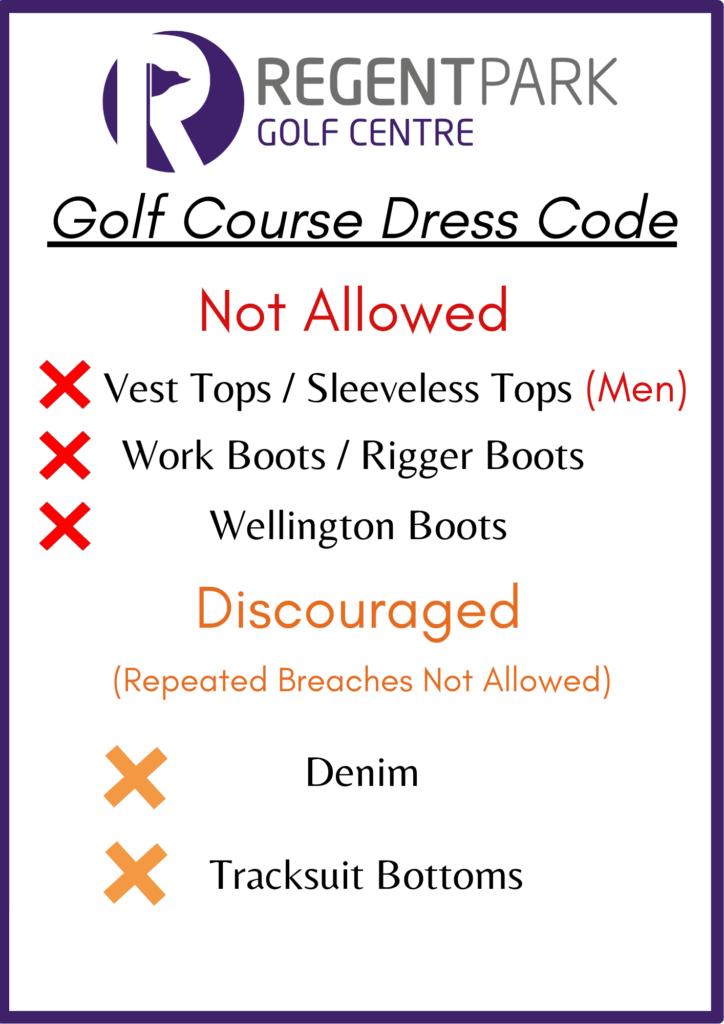
Yes, most golf courses in the United States have some form of dress code. The rules may be strict at a private country club, moderate at a daily-fee course, or very relaxed at a municipal course. Some courses only require proper shoes and a shirt, while others limit shirt styles, shorts, colors, hats, and denim.
The safest approach is simple: check the course’s website or call the golf shop before you arrive. A dress code can apply to the course, driving range, practice areas, clubhouse, and dining room. It may also change for tournaments, junior events, or special functions.

What Does a Golf Course Dress Code Mean?
A golf course dress code is a set of clothing and footwear rules for players, guests, caddies, and sometimes spectators. The course or club sets these rules. They are not one universal standard for every course in the United States.
The dress code often covers:
- Shirts and tops
- Shorts, pants, skirts, and skorts
- Golf shoes and socks
- Hats and visors
- Denim
- Workout clothes
- Swimwear
- Clothing with large logos or offensive words
- Dress for the clubhouse or dining area
A course may also use terms such as “proper golf attire,” “traditional golf attire,” or “appropriate golf clothing.” These terms can be unclear. When a course uses broad wording, ask the golf shop what it accepts.
The USGA Rules of Golf govern how the game is played. They do not create one national dress code for every golf facility. Clothing rules usually come from the course, club, tournament committee, or local policy.

Why Do Golf Courses Have Dress Codes?
Golf courses use dress codes for several practical and social reasons. Private clubs may want to preserve a traditional setting. Public courses may use a dress code to keep clothing safe and suitable for play.
Common reasons include:
- Club tradition: Private clubs often have long-standing standards for the course and clubhouse.
- Safety: Proper golf shoes can provide grip during the swing and on sloped ground.
- Comfort: Golf clothing is made for bending, walking, and repeated movement.
- Course identity: A club may want a consistent appearance for members and visitors.
- Special events: Tournaments, charity outings, and professional events may require a higher standard.
- Separate dining rules: A clubhouse restaurant may require more formal clothing than the course.
Dress codes are not always about appearance alone. Golf shoes with soft spikes or spikeless soles can reduce damage to greens and provide traction. A shirt with sleeves may also protect the skin from sun exposure, although sun protection is not the main reason for most club rules.

What Is the Typical Golf Course Dress Code?
A typical U.S. golf course asks players to wear a collared golf shirt or another neat athletic shirt, golf shorts or pants, and golf shoes or clean athletic shoes. The exact standard varies by facility.
Commonly accepted clothing
Many courses accept:
- Polo shirts
- Mock-neck golf shirts, when permitted
- Golf pants
- Golf shorts of a reasonable length
- Golf skirts and skorts
- Golf dresses
- Weather-appropriate outerwear
- Clean golf shoes
- Spikeless golf shoes
- Visors and golf hats
Clothing commonly restricted
Many courses restrict or prohibit:
- T-shirts
- Tank tops
- Cutoff shirts
- Athletic jerseys
- Sweatshirts, unless part of approved golf outerwear
- Sweatpants
- Gym shorts
- Very short shorts
- Blue jeans
- Ripped or frayed clothing
- Cargo shorts, at some private clubs
- Flip-flops and beach sandals
- Clothing with offensive graphics or language
These are general patterns, not universal rules. A public course may allow jeans, while a private club may not allow denim anywhere on the property. A modern course may allow a clean crew-neck performance shirt, while another course may require a collar.
Are collared shirts required?
Not always. Collared shirts are common, but many courses now accept mock-neck shirts and other modern golf tops. Some courses also allow neat crew-neck athletic shirts.
The phrase “collar required” means exactly what it says at that facility. Do not assume that a mock neck, turtleneck, or crew neck will qualify unless the course confirms it.
Are golf shorts allowed?
Usually, yes. Golf shorts are widely accepted on U.S. courses. Some clubs require shorts to reach a certain length or ban very short athletic shorts.
If you are unsure, choose tailored golf shorts rather than running shorts, basketball shorts, or cutoffs.
Are jeans allowed on a golf course?
It depends on the course. Jeans are often prohibited at private clubs and higher-end resort courses. Some municipal and casual public courses allow clean jeans, especially for casual play.
Even where jeans are allowed, ripped, stained, oversized, or heavily distressed denim may not meet the standard.

Dress Code by Type of U.S. Golf Facility
The type of facility often gives you a useful first clue, but it does not replace checking the policy.
| Facility type | Typical standard | Best clothing choice |
|---|---|---|
| Private country club | Strict or traditional | Collared shirt, tailored golf pants or shorts, golf shoes |
| Resort course | Moderate to strict | Modern golf outfit with neat shoes and no denim |
| Daily-fee public course | Moderate or casual | Clean golf clothing or neat athletic clothing |
| Municipal course | Often relaxed | Clean, comfortable clothing suitable for golf |
| Executive or par-3 course | Varies widely | Check the local policy |
| Driving range | Often more relaxed | Clean athletic wear unless the facility says otherwise |
| Clubhouse dining room | Often stricter than the course | Business-casual clothing or the posted standard |
Private clubs may also divide the property into zones. The course, practice area, locker room, grill, bar, and main dining room may each have separate rules.
Some clubs permit golf clothing on the patio but require a collared shirt in the dining room. Others require players to remove hats indoors. These details are easy to miss if you only read the course-play policy.

What Should You Wear for Your First Round?
For a first round at an unfamiliar U.S. golf course, wear a conservative golf outfit. This reduces the chance of being turned away or asked to change.
A safe choice is:
- A collared polo or an approved golf top
- Tailored golf pants, shorts, skirt, skort, or golf dress
- Clean golf shoes with soft spikes or spikeless soles
- A belt when wearing belt-loop pants or shorts
- A hat or visor if useful for sun protection
- A lightweight jacket or rain layer when weather calls for it
Choose clothes that allow a full shoulder turn. Avoid stiff fabric, loose jewelry, dangling cords, and clothing that may catch on a club or cart.
For hot weather, use breathable fabric and apply sunscreen before play. For cold weather, wear layers designed for movement. A course may permit a sweater or quarter-zip over a collared shirt even when it would not permit a sweatshirt.
For a beginner, comfort matters. A strict-looking outfit is not useful if it restricts your swing or makes walking difficult.

Do Golf Shoes Matter?
Golf shoes are often preferred, but the requirement varies. Some courses require golf shoes. Others allow clean athletic shoes with a suitable sole.
Spiked golf shoes may be restricted if the course uses older metal spikes. Soft spikes and spikeless shoes are widely accepted, but always follow the facility’s instructions.
Avoid playing in:
- Flip-flops
- High heels
- Smooth-soled dress shoes
- Work boots
- Muddy shoes from another course
- Shoes that may damage putting greens
Golf shoes help with traction, especially during the swing and on wet or sloped ground. They do not guarantee stability. Walk carefully, particularly near bunkers, cart paths, bridges, and uneven terrain.
If you are renting clubs or playing only once, clean athletic shoes may be acceptable at a casual course. Call first if the course is private, resort-based, or known for formal standards.

Do Dress Codes Apply to Women, Men, and Juniors?
A fair dress code should state the same basic standards clearly for all golfers while accounting for different garment types. Many courses allow pants, shorts, skirts, skorts, dresses, polos, and approved athletic tops for any player.
Policies may still describe different examples for men’s and women’s clothing. The practical questions are usually whether the clothing is neat, safe, suitable for movement, and consistent with the posted policy.
Juniors may have more flexible rules at youth programs, clinics, and public courses. A junior tournament can have its own standards. Parents should check whether the rule applies to players, spectators, or both.
If a clothing rule is unclear or appears to be applied inconsistently, ask the golf shop or event organizer for the written policy. A course’s dress code must also operate within applicable federal, state, and local law. The U.S. Equal Employment Opportunity Commission explains employment discrimination law, while public accommodations may involve different legal rules. A general article cannot determine whether a particular policy is lawful.

What Should You Wear to a Country Club or Golf Tournament?
A country club or formal tournament usually calls for more conservative clothing than a casual public course.
For players, choose:
- A collared shirt or clearly approved golf top
- Tailored golf pants, shorts, skirt, skort, or dress
- Clean golf shoes
- A belt and coordinated outer layer
- Minimal clothing with large slogans or logos
For spectators, wear neat casual clothing and comfortable shoes. Do not assume that spectator rules match player rules. A tournament may limit outside food, large bags, signs, umbrellas, cameras, or certain types of clothing.
A charity outing may publish its own instructions. Those rules can be stricter than the host course’s normal policy. Read the event email, registration page, or player information sheet before arriving.

How to Check a Golf Course Dress Code Before You Play
Use this short process:
- Open the official course website. Look under “Course Policies,” “Visitor Information,” “Golf,” “Club Rules,” or “FAQ.”
- Check the reservation email. Event organizers often include clothing and shoe rules.
- Look for clubhouse rules. Course clothing and dining-room clothing may differ.
- Call the golf shop. Ask about collars, denim, shorts length, shoes, hats, and mock-neck shirts.
- Ask about weather gear. Rain pants, hoodies, jackets, and cold-weather layers may have separate rules.
- Pack a backup layer. A collared shirt and clean pants can solve many dress-code problems.
- Arrive early. You have time to change if the course says an item is not allowed.
A useful question is: “What should a first-time guest wear to play the course today?” That wording gives the staff enough context to provide practical advice.
Do not rely only on old reviews, social media photos, or what another golfer wore. Dress codes can change, and enforcement can differ by event or time of day.

What Happens If You Violate the Dress Code?
The result depends on the course and the item. Staff may ask you to change, cover an item, remove a hat, or purchase suitable clothing before you play. A private club may deny access to a guest who does not meet its policy.
If you discover the problem before teeing off, speak calmly with the golf shop. Ask whether an exception, rental item, or alternative is available. Do not argue with course staff about what another golfer wore; the current policy and the staff’s instructions control your visit.
If the rule was not posted clearly, you can ask for clarification or contact management later. That may help future visitors, but it may not allow you to start play that day.

Common Dress-Code Mistakes to Avoid
The most common mistake is assuming that every golf course follows the same standard. A polo and golf shorts may be fine at one course but not at a private club nearby.
Other mistakes include:
- Wearing jeans without checking first
- Treating a clean T-shirt as automatically acceptable
- Confusing running shorts with golf shorts
- Wearing flip-flops because the course is near a beach
- Forgetting that the clubhouse has a separate policy
- Assuming a mock-neck shirt is accepted everywhere
- Arriving in muddy shoes
- Ignoring a tournament’s event-specific rules
- Wearing clothing with offensive words or graphics
- Failing to pack a rain or cold-weather layer
When in doubt, choose neat golf clothing in a simple style. Conservative clothing is usually easier to accept than a borderline item.

Quick Decision Guide
Use this guide when you need an answer before leaving home:
- Private club: Wear a collared golf shirt, tailored bottoms, and golf shoes.
- Resort course: Wear standard golf clothing and avoid denim unless approved.
- Public daily-fee course: Clean golf or neat athletic clothing is often acceptable, but check first.
- Municipal course: Rules may be relaxed, but avoid beachwear, torn clothing, and unsafe footwear.
- Driving range: Athletic clothing may be fine, but the facility may use clubhouse rules.
- Tournament or charity event: Follow the event instructions, even if the host course is casual.
- Doubt about one item: Call the golf shop and ask before you arrive.

Frequently Asked Questions
Do all golf courses require collared shirts?
No. Collared shirts are common, but some courses accept mock-neck or neat crew-neck golf shirts. The course’s written policy or golf-shop staff can confirm the rule.
Can I wear leggings to play golf?
Some courses allow leggings, golf tights, or athletic pants. Others may require them to be worn under a skirt or skort. Check the policy, especially at private clubs and tournaments.
Can I wear a hoodie while golfing?
A hoodie may be allowed as a weather layer at a casual course. A private club or formal event may prohibit hooded sweatshirts. A quarter-zip, sweater, or approved golf jacket is often a safer choice.
Can I wear sneakers on a golf course?
Many casual courses allow clean athletic shoes. Some courses require golf shoes or prohibit shoes with unsuitable soles. Avoid worn, muddy, smooth-soled, or open-toed footwear.
Can I wear jeans to a public golf course?
Sometimes. Many public courses allow clean jeans, but others prohibit denim. Call the course before your round rather than relying on its public-course classification.
Do golf dress codes apply to spectators?
They can. Spectators may face separate rules for clothing, shoes, hats, bags, or logos. Tournament organizers usually publish those rules before the event.
Conclusion
Most U.S. golf courses have a dress code, but the standard depends on the facility, event, and area of the property. The safest first-round outfit is a clean golf shirt, tailored bottoms, and suitable golf or athletic shoes.
Before you play, check the official policy and call the golf shop about anything uncertain. A two-minute question can prevent a denied tee time, an awkward change of clothes, or a poor start to your round.