Why Is My Golf Shot Going Right? The Role of the Swing Path
If you find yourself constantly asking, “why is my golf shot going right,” you are likely dealing with a combination of clubface alignment and swing path issues. By understanding the relationship between the path of your swing and the angle of your clubface, you can diagnose your ball flight and make simple adjustments to start hitting the target consistently.
Every golfer, whether they are a weekend warrior or a professional touring the circuit in 2026, has dealt with the dreaded banana ball. You stand on the tee, feeling confident, and take a smooth swing. But as the ball reaches its peak, it starts to veer off into the trees on the right side of the fairway. You look at your partners and ask the age-old question: “Why is my golf shot going right?”
It is the most common frustration in the game. When your ball refuses to fly straight, it turns a fun round of golf into a long, exhausting walk through the woods. The good news is that this is not a mystery. Science and physics dictate exactly why the ball behaves the way it does. Once you understand the mechanics behind your swing, you can stop guessing and start fixing.
Key Takeaways
- Understand Ball Flight Laws: The direction your ball starts is primarily determined by the clubface, while the curvature is determined by the swing path.
- Fix the Grip: A weak grip is a common culprit for an open clubface, which is a major reason why is my golf shot going right.
- Path Matters: Swinging “out-to-in” creates a slice, while an “in-to-out” path combined with an open face results in a push-slice.
- Check Your Alignment: Sometimes the issue isn’t the swing; it is simply that you are aimed to the right of your target before you even take the club back.
- Transition and Tempo: Rushing the downswing often causes the club to lag behind, leading to an open face at impact.
- Ball Position: Playing the ball too far back in your stance can force your path to move across the ball, causing it to veer right.
The Physics of Why Is My Golf Shot Going Right
To fix your game, you need to understand the basic ball flight laws. Think of your golf club as a tool that imparts spin and direction. The direction your ball initially travels is almost entirely dependent on where the clubface is pointing at the moment of impact. If that face is open to your target line, the ball starts right. If it is closed, it starts left.
Clubface vs. Swing Path
While the face controls the start, the swing path controls the curve. If your clubface is open relative to the target, the ball goes right. If your path is swinging across the ball from the outside in, you create side-spin that makes the ball slice further to the right.
When you combine an open face with an outside-in path, you get the classic slice that haunts so many amateurs. Understanding this relationship is the first step in solving why is my golf shot going right.
The Concept of the “Push”
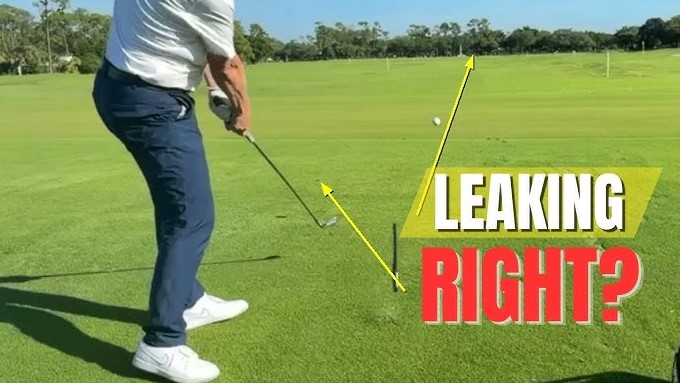
Sometimes, your ball doesn’t slice; it just flies straight to the right. This is known as a “push.” This happens when your clubface is square to your swing path, but both the path and the face are aimed to the right of your target at impact. It is a sign that your body alignment might be off, or your swing path is moving too far from the inside out.
Evaluating Your Grip and Setup
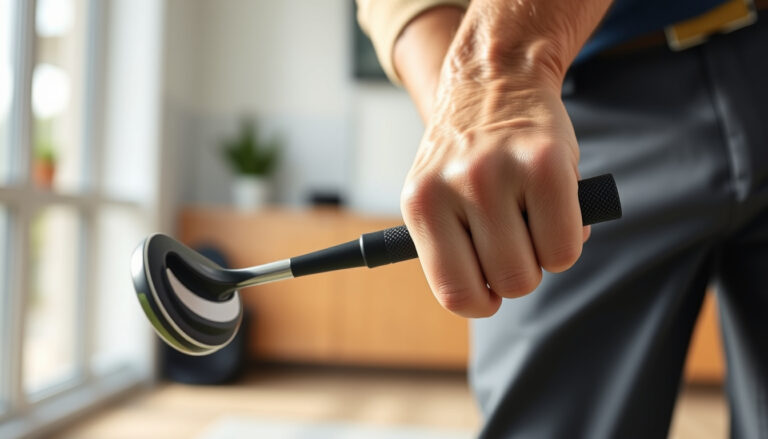
Many golfers look for complex mechanical flaws in their backswing when the real answer to “why is my golf shot going right” is sitting right in their hands. Your grip is the only connection you have to the club. If your grip is weak, your clubface will naturally stay open throughout the swing.

Visual guide about Why Is My Golf Shot Going Right
Image source: golfarenzano.com
Is Your Grip Too Weak?
A “weak” grip means your lead hand is rotated too far to the left on the grip. When you take your stance, look down at your lead hand. If you cannot see at least two knuckles, your hand is likely in a position that makes it difficult to close the clubface at impact. By rotating your lead hand slightly to the right, you encourage the clubface to square up naturally as you swing through the ball.
Checking Your Aim
Before you blame your swing, check your feet. It is incredibly common for players to unknowingly aim their feet, hips, and shoulders to the right of their intended target. This is called an “open” or “closed” stance, depending on your goal. If you are aimed right, your body will instinctively try to swing toward that target. Always use alignment sticks on the practice range to ensure you are actually pointed where you think you are.
The Role of the Swing Path
If your grip and aim are solid, the next place to look is your swing path. The path is the direction the clubhead travels through the hitting zone. If you are asking “why is my golf shot going right,” there is a high probability that you are suffering from an “over-the-top” move.
Correcting the Outside-In Path
An “over-the-top” swing happens when you start your downswing with your shoulders rather than your lower body. This forces the club to move across your body from the outside in. To fix this, practice the “inside-out” feeling.
Place a headcover about two inches outside the ball and slightly in front of it. Your goal is to swing the club without hitting the headcover. This forces you to change your path and swing from the inside, which is the antidote to a slice.
The Importance of Transition
Your transition from the backswing to the downswing sets the tone for your path. If you rush the transition, your arms often take over. Try to start the downswing by bumping your left hip (for right-handed players) toward the target. This gives your arms time to drop into the “slot,” keeping the club path stable and preventing that destructive outward move.
Ball Position and Its Impact
Where the ball sits in your stance changes everything. If the ball is too far back in your stance, you are hitting it while the club is still moving inward. If it is too far forward, you might be catching it on the upswing while the clubface is still opening.
Finding the Sweet Spot
For most irons, the ball should be slightly ahead of the center of your stance. For your driver, the ball should be just inside your lead heel. If you struggle with the ball going right, try moving the ball forward by an inch. This gives the clubhead more time to return to a square position before impact. Simple adjustments to ball position often lead to immediate improvements in ball flight.
Managing Tempo and Rhythm
Golf is a game of rhythm. When you feel pressure or try to hit the ball too hard, your body reacts with tension. Tension causes you to swing too fast, which leads to a loss of coordination. When you swing too fast, the clubhead often lags behind your hands, meaning the face hasn’t had time to close at impact.
The “Smooth is Fast” Mantra
Practice with a focus on tempo. Try the “one-two” count: one on the backswing, two on the downswing. By keeping your tempo smooth, you allow the mechanics of your swing to work the way they were designed. If you find yourself asking “why is my golf shot going right,” take a breath, slow down your swing speed to 80 percent, and focus on clean contact. You will be surprised by how much straighter the ball flies.
Developing a Consistent Practice Routine
You cannot fix a swing flaw by just hitting balls aimlessly. To answer the question “why is my golf shot going right,” you need to be intentional. In 2026, technology like launch monitors and video apps can help, but the old-fashioned drills remain the best way to build a repeatable swing.
Drills to Square the Face
Try the “half-swing” drill. Take only half-swings, focusing purely on rotating your forearms through the impact zone. This teaches your hands to close the face. As you master this, gradually increase the size of your swing. Focusing on the rotation of the clubhead, rather than how far the ball goes, will train your muscles to prevent the open clubface that causes your shots to drift right.
Recording Your Swing
Use your phone to record your swing from down the line and from the side. Compare your swing to professional golfers. Watch your club path at impact. Does it look like the club is coming from the outside? Does your face look open? Visual proof is the fastest way to stop wondering “why is my golf shot going right” and start fixing the root cause.
The Conclusion
The quest for a straighter ball flight is a journey every golfer takes. By breaking down your swing into its components grip, alignment, path, and tempo you can systematically remove the errors that lead to your ball moving right.
Remember that golf is difficult, and even the pros have days where they leak the ball into the rough. The key is to stay patient, keep your practice intentional, and continue to refine your understanding of your own unique swing. With these tips in your 2026 toolkit, you are well on your way to hitting more fairways and enjoying a much more rewarding game.
Frequently Asked Questions
Is a slice always caused by a bad swing path?
Not necessarily, but it is a major factor. A slice is caused by a clubface that is open relative to your swing path, so you could have a good path with a very open face and still produce a significant slice.
Can my equipment be the reason my shots go right?
Yes, if your clubs have shafts that are too flexible for your swing speed, the clubhead can fail to close in time at impact. If you have ruled out swing mechanics, it might be time to visit a professional club fitter.
Does a strong grip help everyone hit the ball straighter?
A stronger grip is an effective tool for someone who consistently slices the ball because it helps close the face at impact. However, it is not a “cure-all” and should be balanced with proper swing path mechanics.
What is the easiest way to fix a push-slice?
The easiest immediate fix is to align your shoulders and hips parallel to your target line, as many golfers compensate for their slice by aiming further left, which actually encourages an even worse out-to-in path.
Should I focus on my hands or my body for better control?
You should focus on your body for power and consistency, but your hands and forearms are responsible for squaring the clubface. A combination of a stable body rotation and proper forearm rotation is key.
How long does it take to fix a slice?
It depends on your commitment to practice. With focused drills on swing path and face control, many golfers see significant improvement in their ball flight within a few practice sessions.