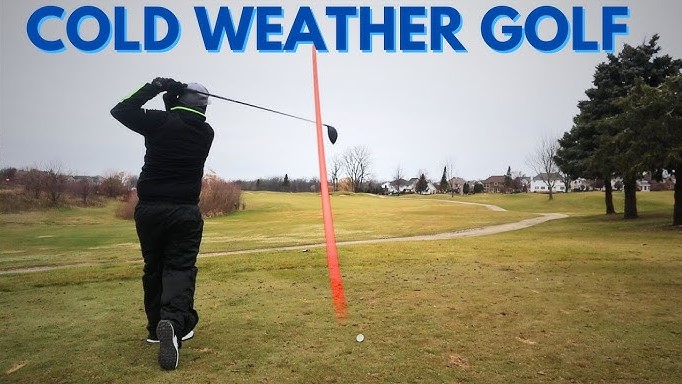
What to Wear Golfing in Cold Weather? Protecting Your Extremities
Mastering cold-weather golf is all about smart layering, moisture management, and selecting the right performance fabrics. By choosing lightweight, thermal-efficient gear that allows for a full range of motion, you can maintain your swing speed and focus even when the temperature drops.
There is something uniquely satisfying about walking onto a crisp, frost-dusted golf course in 2026. While many players put their clubs away as soon as the thermometer dips, the dedicated golfer knows that the best rounds often happen when the crowds have thinned.
However, the biggest challenge to playing your best golf in the cold is staying warm without feeling like you are wearing a bulky winter parka. If you have ever wondered what to wear golfing in cold weather, you are not alone. The trick to cold-weather play isn’t just throwing on more clothes. It is about understanding the science of thermal regulation.
When you are out on the course, you fluctuate between periods of high activity like walking up a steep fairway or taking a powerful swing and periods of standing still while waiting for your playing partners. Your clothing needs to handle that moisture-wicking and heat-retention cycle perfectly. Let’s dive into how to build the perfect outfit for those chilly winter rounds.
Key Takeaways
- The Layering System: Use a base layer for moisture, a mid-layer for heat retention, and an outer shell for weather protection.
- Protect Your Extremities: Hands, ears, and feet are the first to get cold, so invest in quality gloves, beanies, and thermal socks.
- Prioritize Flexibility: Ensure your outer layers allow for full shoulder rotation to avoid ruining your swing mechanics.
- Fabric Matters: Avoid cotton, which traps moisture and cools you down; choose synthetic or merino wool blends instead.
- Hand Warmers are Essential: Keeping your core and hands warm is the secret to maintaining your grip and feel on the club.
- Don’t Forget Accessories: Cold-weather golf gloves and cart covers can be the difference between a great round and a miserable experience.
The Three-Layer System Explained
The Base Layer: Your Second Skin
The foundation of knowing what to wear golfing in cold weather starts with your base layer. This layer sits directly against your skin, and its primary job is moisture management. Even in the cold, your body produces sweat.
If that sweat sits against your skin, it will cool rapidly, making you feel much colder than the ambient temperature. Look for high-quality synthetic compression shirts or merino wool tops. These fabrics pull moisture away from your body and move it to the outer layers, keeping you dry and warm.
In 2026, golf-specific base layers are more advanced than ever. Many feature flatlock seams to prevent chafing and targeted compression zones to support your muscles during your swing. Avoid cotton at all costs. Cotton is the enemy of the cold-weather golfer because it holds water and loses its insulating properties as soon as it gets damp.
The Mid-Layer: Heat Retention
Once you have a dry base, you need a layer that traps your body heat. The mid-layer is the heart of your cold-weather golf ensemble. Think of lightweight pullovers, fleece-lined vests, or quarter-zip sweaters. The goal here is to create “dead air” space small pockets of trapped air that your body warms up to provide a natural thermal barrier.
Vests are often preferred by many golfers because they provide core warmth without restricting arm movement. Since the golf swing relies heavily on your arms and shoulders, removing that extra bulk from the sleeves can significantly improve your swing consistency. Look for mid-layers with “stretch” technology, which is a common feature in modern 2026 golf apparel lines.
The Outer Shell: Weather Shield
The final layer is your protection against the elements. If it is windy or drizzly, a high-quality windbreaker or rain jacket is non-negotiable. Modern golf outerwear is surprisingly thin. You do not need a heavy down coat. Today’s wind-blocking fabrics are designed to be “quiet” during your backswing, meaning they won’t make that annoying “swish-swish” sound when you move, which can be distracting.
When picking an outer shell, check for a DWR (Durable Water Repellent) coating. This will keep light rain from soaking through your gear. If you are playing in really tough conditions, a fully waterproof golf suit is worth the investment. It will keep you completely dry and prevent the wind from cutting through your inner layers.
Protecting Your Extremities
Keeping Your Hands Warm and Ready
Your hands are your connection to the club. When your fingers get cold, you lose sensation and grip pressure, which almost always results in a poor shot. Many golfers wear a pair of specialized “winter golf gloves.” Unlike standard leather gloves, these are often sold in pairs, featuring fleece lining and a thicker, textured material that provides excellent grip even in the damp.
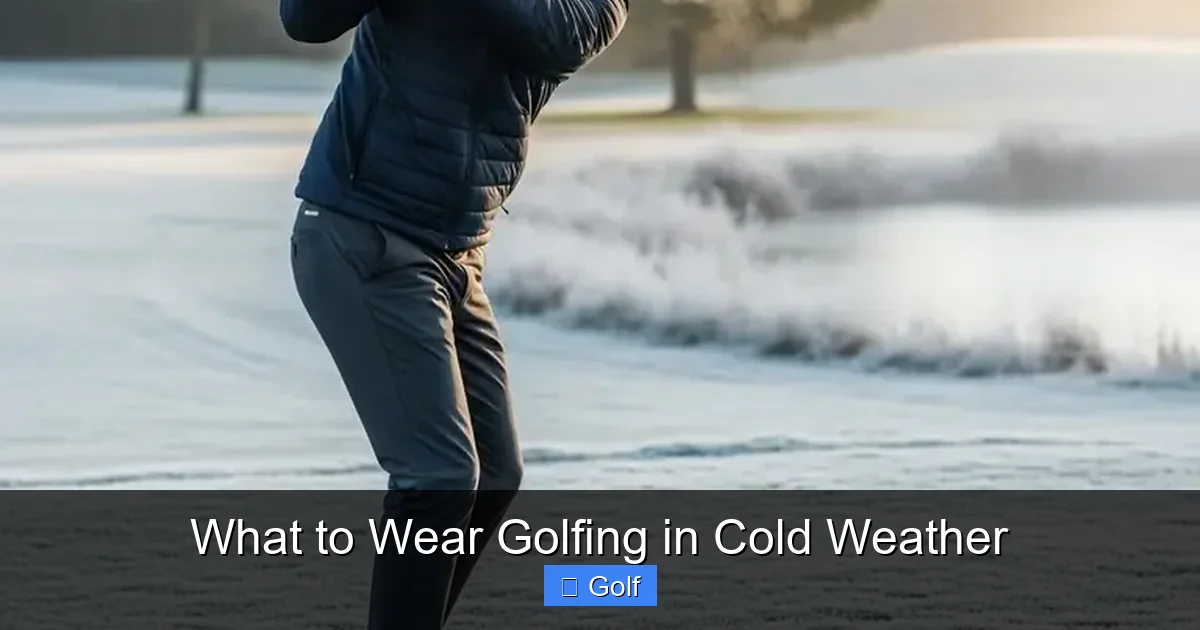
Visual guide about What to Wear Golfing in Cold Weather
Image source: golfequiphub.com
Between shots, use a pair of mittens. You can keep hand warmers inside these mittens to keep your fingers toasty while you are walking or riding in the cart. Never try to hit a ball with thick, heavy mittens on; simply take them off for the swing, and put them right back on the moment your club hits the bag.
Headwear and Neck Protection
It is a common saying that you lose a lot of heat through your head. While that is partially a myth, wearing a hat is still essential for comfort in the cold. A knit beanie is perfect for keeping your ears warm. If you prefer a traditional golf cap, try to find one with ear flaps or use a windproof headband.
Don’t overlook your neck. A neck gaiter or a simple buff is a game-changer. It keeps the cold air from slipping down into your shirt and keeps your neck muscles warm, which helps with your overall tension levels. Staying loose is key to a fluid golf swing, and cold muscles tend to tighten up, leading to jerky, inconsistent movements.
Selecting the Right Pants and Socks
Performance Trousers
Many golfers make the mistake of wearing jeans in the cold. Jeans are heavy, do not stretch well, and become freezing cold if they get wet. Instead, opt for thermal-lined golf trousers.
Modern performance fabrics in 2026 offer a fleece-like backing that provides warmth while maintaining the look of traditional golf slacks. If the weather is exceptionally cold, you can wear a pair of thermal long-johns underneath your regular golf pants for extra insulation without changing your outfit’s look.
The Importance of Socks
Cold feet can ruin a round of golf faster than anything else. You want socks that are thick enough to provide insulation but thin enough to allow for a proper feel of the ground during your swing.
Look for merino wool blends; they are naturally moisture-wicking and remain warm even if your feet get slightly sweaty. Avoid layering too many socks, as this can cut off circulation, which will actually make your feet colder. Invest in one high-quality, moisture-wicking wool pair instead.
Equipment Considerations for Cold Weather
Using a Cart Cover
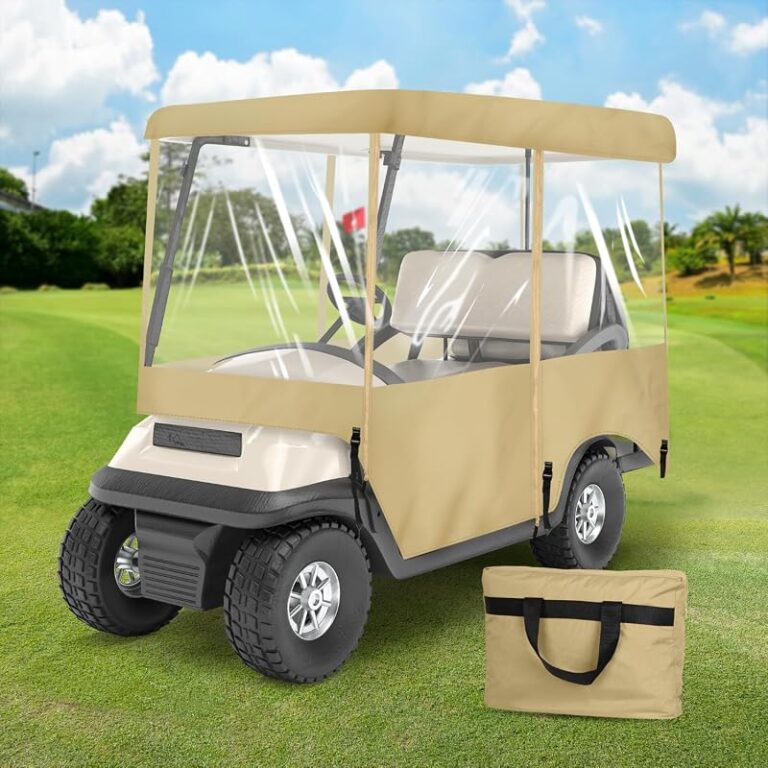
If you are riding in a cart, a portable cart cover is a brilliant accessory. It acts like a personal greenhouse, keeping the wind off you and protecting your clubs and gear. Some covers even have clear plastic windows, so you can see where you are going while staying tucked away from the biting wind. It is one of the most effective ways to manage comfort when deciding what to wear golfing in cold weather.
Managing Your Balls and Clubs
Physics dictates that golf balls do not travel as far in the cold. The air is denser, and the ball’s core temperature drops, making it less responsive. To counter this, keep a few balls in your pocket, close to your body heat. Rotate them every few holes so you are always playing with a “warm” ball.
Additionally, be aware that your golf clubs might feel slightly different. The cold can make club heads feel harder and less forgiving, so consider playing a slightly softer-compression ball to compensate for the distance loss.
Common Mistakes to Avoid
The most common error when considering what to wear golfing in cold weather is “overdressing.” If you put on too many layers, you will struggle to rotate your torso. If you cannot rotate, you lose power and accuracy. If you find yourself having to “muscle” the ball, check your layers. Can you swing comfortably? If the answer is no, it’s time to shed a layer or upgrade to more flexible technical fabrics.
Another mistake is neglecting to hydrate. Just because it is cold doesn’t mean you aren’t losing fluids. Cold air is very dry, and your body still needs water. Dehydration causes muscle fatigue, which leads to poor balance during your swing. Carry a thermos with warm tea or water to keep your hydration levels up while also providing a nice internal warming boost.
Conclusion: Stay Warm, Stay Sharp
Golf in the winter of 2026 offers a peaceful, rewarding experience that you simply cannot get during the mid-summer heat. By following these tips on what to wear golfing in cold weather, you can transition from a shivering, frustrated player into a comfortable, confident golfer who is ready to take on the challenge of the elements.
Remember: prioritize the three-layer system, keep your extremities protected, choose moisture-wicking fabrics, and always keep your gear flexible.
When you remove the distraction of the cold, you are free to focus on what really matters the game, the company, and the beautiful crisp air of the golf course. Get the right gear, embrace the chill, and you might just find that some of your best scores happen when the frost is on the grass.
Frequently Asked Questions
Should I wear cotton base layers in the cold?
No, you should avoid cotton at all costs. Cotton absorbs moisture, stays wet, and loses all its insulating value, which will make you feel significantly colder throughout your round.
How do I keep my hands warm without losing grip?
Invest in a pair of winter golf gloves that offer a textured palm for grip and thermal insulation for warmth. Additionally, use large mittens between shots with hand warmers inside to keep your fingers nimble.
Does wearing more layers always keep me warmer?
Not necessarily. If you wear too many bulky layers, you will restrict your range of motion, which ruins your swing mechanics and forces you to use more energy. It is better to wear 3 thin, high-performance layers than 2 thick, bulky ones.
Can I wear my normal golf shoes in cold weather?
Standard golf shoes are usually fine, but ensure you are wearing high-quality wool socks for insulation. If the course is wet, opt for waterproof golf shoes to keep your feet dry, as wet feet lead to freezing feet very quickly.
Why does my golf ball travel shorter distances in the cold?
Cold air is denser than warm air, creating more drag on the ball. Furthermore, the core of the golf ball hardens in the cold, making it less responsive upon impact. Keep your balls in your pocket to keep them warm and regain some distance.
How can I stay warm while walking the course?
Focus on a good mid-layer vest to keep your core temperature up while allowing your arms to move freely. A neck gaiter or beanie will also prevent heat from escaping your body, which helps maintain your overall warmth during a long walk.