What To Wear Golfing In Summer: Cool Golf Outfit Guide
For golf in the United States, wear light, breathable clothes that let you move, block the sun, and fit the course dress code. A good summer golf outfit usually includes a moisture-wicking polo, lightweight golf shorts or trousers, a stable golf shoe, a brimmed hat, sunglasses, and sunscreen.
Your best outfit will change with heat, humidity, wind, rain, and the rules at your golf course. The goal is simple: stay cool without giving up comfort, sun protection, or a safe grip during your swing.

The Best Summer Golf Outfit at a Glance
A basic summer golf outfit should have five parts:
- A light, breathable golf shirt
- Golf shorts, skorts, or lightweight trousers
- Golf shoes with good grip
- A hat or visor
- Sun protection, such as sunscreen and sunglasses
Choose clothes that fit well but do not feel tight. Loose fabric can catch on a club or flap in strong wind. Very tight clothing can limit your turn and make a hot day feel worse.
A moisture-wicking shirt helps move sweat away from your skin. It does not stop sweat. Instead, it can help sweat spread across the fabric and dry faster.
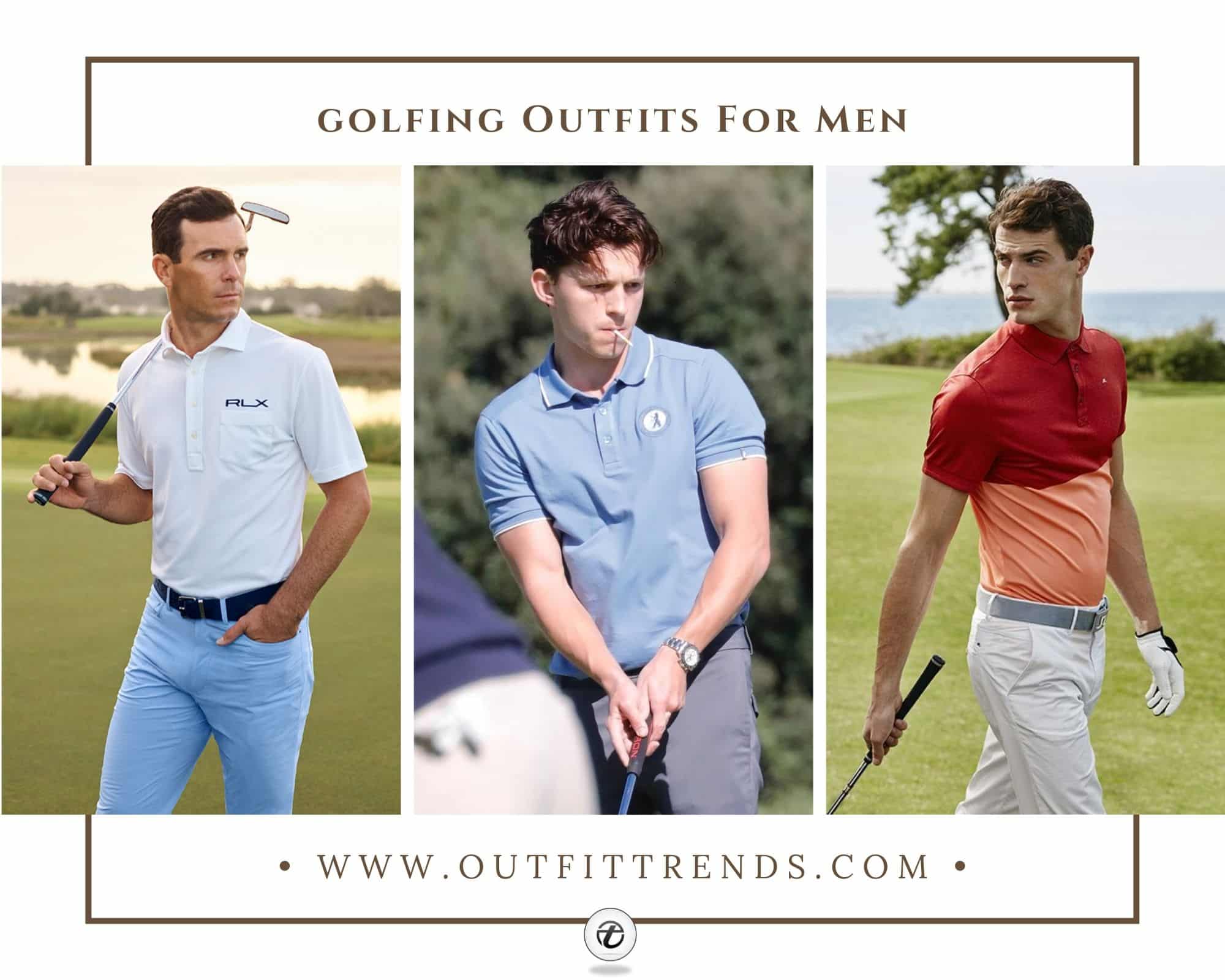
For most U.S. courses, a collared polo remains the safest shirt choice. Some public courses allow crew-neck athletic shirts, but many private clubs and tournament settings have stricter rules. Check the course website or call the pro shop before you play.
How to Choose a Summer Golf Shirt
The best summer golf shirt is light, breathable, and easy to move in. Look for a golf polo made from polyester, a polyester blend, nylon, merino wool, or another fabric designed to dry well.
Choose the right fabric
Common golf shirt fabrics have different strengths:
| Fabric | Main benefit | Possible drawback |
|---|---|---|
| Polyester | Dries fast and holds its shape | Can hold body odor if not washed well |
| Nylon | Light, strong, and smooth | May feel less soft than cotton |
| Merino wool | Manages moisture and odor | Often costs more |
| Cotton | Soft and familiar | Holds moisture and dries slowly |
| Blends | Balance comfort and performance | Results vary by fabric mix |
Cotton can feel cool at the first tee. Once it absorbs sweat, however, it may become heavy and cling to your skin. That can make the back nine less comfortable.
A light polyester or nylon blend often works well in hot U.S. summers. If you prefer natural fibers, a thin merino shirt can offer good comfort, though it may need more care.
Look for useful shirt details
A good golf shirt may include:
- Mesh panels under the arms
- A vented back
- A soft collar
- Flat seams that reduce rubbing
- Enough length to stay tucked in
- Stretch in the fabric
- A UPF rating for added UV protection
UPF means ultraviolet protection factor. It describes how much ultraviolet radiation a fabric allows to reach your skin. The American Academy of Dermatology recommends protective clothing, shade, a wide-brimmed hat, sunglasses, and broad-spectrum sunscreen as part of sun protection.
A UPF shirt does not replace sunscreen on uncovered skin. Sweat, stretching, wear, and washing can also change how well a garment protects.
What Shorts, Pants, and Skorts Should You Wear?
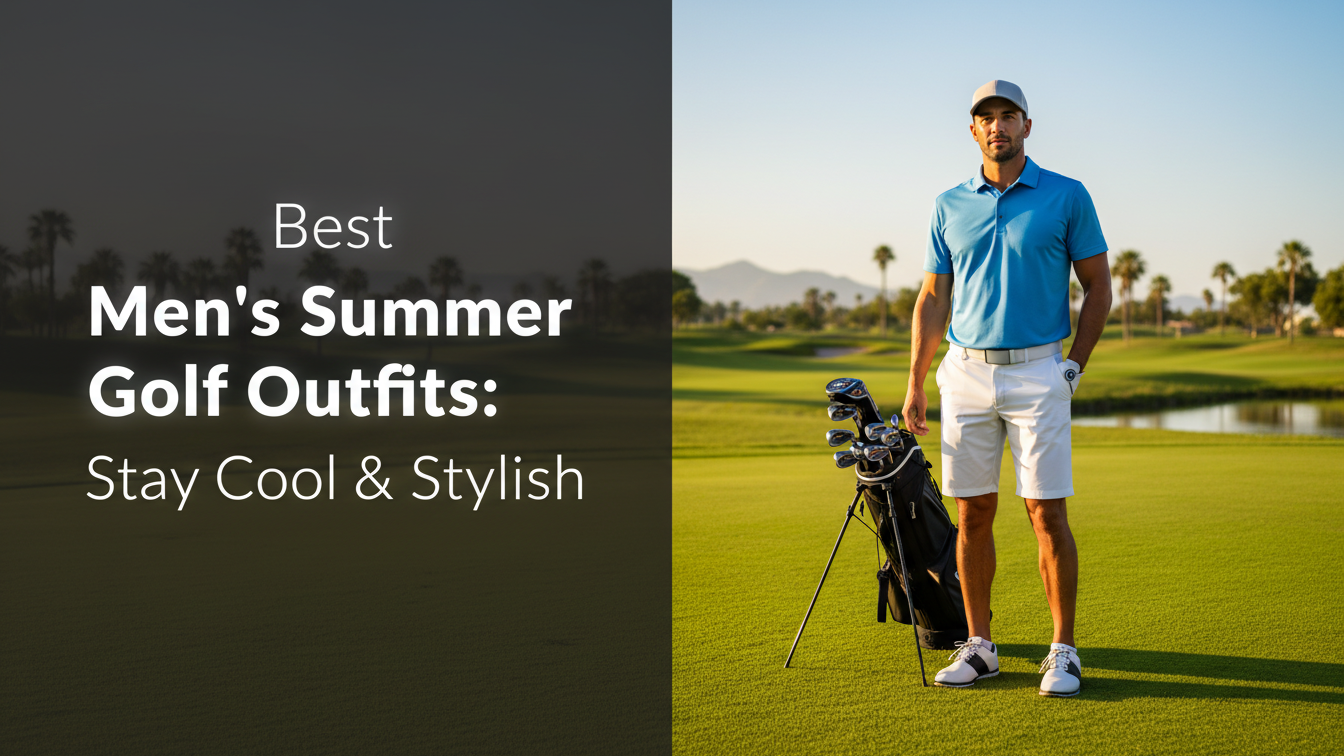
Wear golf shorts, a golf skort, or lightweight golf trousers that allow a full turn and do not restrict your knees. The right choice depends on the course rules and the day’s weather.
Golf shorts
Golf shorts are often the best choice for very hot weather. Select a pair with:
- A secure waistband
- Enough room to bend and squat
- Pockets that hold tees and a ball
- A length accepted by your course
- Stretch fabric for walking and swinging
Avoid very short athletic shorts unless the course clearly allows them. Many clubs require shorts to reach a certain length.
Golf trousers
Light golf pants can help when you want more sun protection or when the morning starts cool. Look for thin, breathable fabric with some stretch.
Trousers may also help protect your legs from tall grass, brush, and insects. They can feel too warm in high humidity, so choose a light weave rather than heavy cotton or thick twill.
Golf skorts and skirts
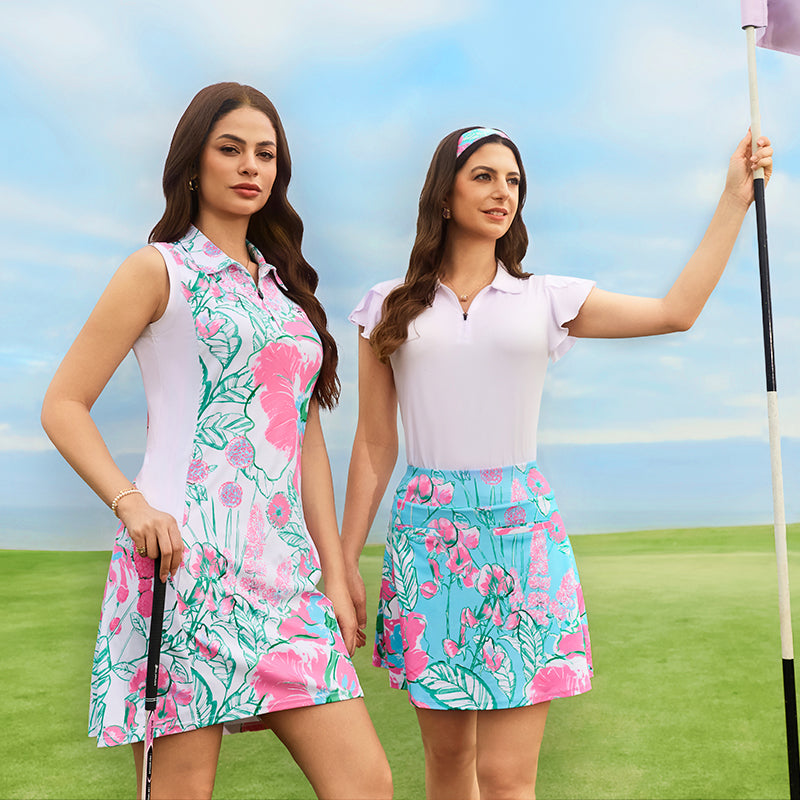
A golf skort can provide the feel of a skirt with the added coverage of built-in shorts. Pick one that stays in place as you bend, squat, and walk.
As with shorts, check the course dress code. The rules may cover length, color, or whether leggings can be worn underneath.
Should you wear leggings?
Leggings may work under a skirt or skort on some courses. They are not accepted everywhere as a replacement for golf pants. If you plan to wear them, check the club’s rules first.

What Golf Shoes Work Best in Summer?
Wear golf shoes that provide grip, comfort, and support for a full round. Spiked and spikeless golf shoes can both work well.
Spikeless golf shoes
Spikeless shoes often feel natural when walking from the parking lot to the clubhouse. They can be a good choice for casual rounds and dry conditions.
Their grip depends on the sole pattern and course conditions. A worn sole may slip on wet grass, steep slopes, or damp morning turf.
Spiked golf shoes
Spiked shoes can provide strong traction, especially on wet grass or hilly courses. They may feel less comfortable on hard paths or when walking long distances away from the course.
Replace worn spikes when the traction starts to fade. Check the shoe maker’s care instructions before changing them.
Choose socks with care
Wear moisture-wicking socks that fit without bunching. Thin synthetic or merino socks can help reduce dampness and blisters.
Avoid cotton socks if your feet sweat heavily. Wet cotton stays wet for a long time and can increase rubbing.
Your shoes should feel secure at the heel and leave room for your toes to spread. Do not wear new shoes for the first time during a long tournament. Break them in with short walks first.
How to Protect Yourself From Sun and Heat
Summer golf can expose you to heat and strong UV radiation for four or more hours. Clothing helps, but it is only one part of heat and sun safety.
The Centers for Disease Control and Prevention recommends staying hydrated, taking breaks, and watching for signs of heat illness during hot weather. Heat risk rises with temperature, humidity, direct sun, physical effort, and limited access to shade.
Wear a hat with real coverage
A baseball cap can protect your face and eyes from direct sun. A wide-brimmed hat offers more coverage for your ears and neck.
A visor keeps the top of your head open. That may feel cooler, but it gives less protection from direct sun. If you wear a visor, apply sunscreen to your scalp and the exposed sides of your face.
Use sunscreen correctly
Use a broad-spectrum, water-resistant sunscreen with SPF 30 or higher on exposed skin. Apply it before you start playing, then reapply at least every two hours and after heavy sweating, swimming, or toweling off.
Pay attention to your:
- Ears
- Neck
- Nose
- Forehead
- Hands
- Lower arms
- Calves
- Tops of your feet
Spray sunscreen can miss small areas. Rub it in well, and avoid breathing the spray. If sunscreen irritates your skin, try a fragrance-free product or ask a health professional for advice.
Wear sunglasses
Choose sunglasses that block 99% to 100% of UVA and UVB rays, or that provide 100% UV protection. Wraparound styles can reduce light from the sides.
Polarized lenses may reduce glare from water and bright surfaces. They do not automatically provide UV protection, so check the label.
Know the warning signs of heat illness
Stop playing and seek a cool place if you feel faint, weak, confused, sick, or unusually tired. Heat stroke is an emergency. Signs may include confusion, loss of consciousness, seizures, or very hot skin.
Call 911 for suspected heat stroke. Do not make a confused or unconscious person drink. Move them to a cool area while waiting for emergency help.

What to Wear in Different Summer Conditions
The best summer golf clothes depend on more than the air temperature. Humidity, wind, sun, and rain can change how your body feels.
| Course condition | Useful clothing choice |
|---|---|
| Hot and dry | Light shirt, breathable shorts, hat, sunglasses |
| Hot and humid | Fast-drying shirt, light shorts, moisture-wicking socks |
| Cool morning | Lightweight trousers or a thin outer layer |
| Strong sun | UPF shirt, longer shorts or trousers, wide-brimmed hat |
| Windy day | Thin wind layer over a breathable shirt |
| Summer rain | Packable rain jacket, rain hat, water-resistant shoes |
| Wet grass | Shoes with fresh traction and moisture-wicking socks |
For changing weather, dress in layers. Start with a breathable shirt and add a thin vest or wind layer if needed. Avoid thick layers that trap sweat once the sun comes out.
A rain jacket should allow a full swing. Test the arm movement before the round. A jacket that pulls across your shoulders can affect your swing and become uncomfortable after several holes.
Keep an extra shirt and socks in your golf bag or car. This small step can make a wet or very sweaty round much easier.

What to Pack in Your Golf Bag
A smart summer golf bag carries more than clubs and balls. Pack items that help with heat, sweat, rain, and small comfort problems.
Useful items include:
- Water
- Electrolyte drinks if you sweat heavily or play in severe heat
- Broad-spectrum sunscreen
- A spare glove
- An extra shirt
- Extra socks
- A hat or visor
- Sunglasses
- A small towel
- Lip balm with sunscreen
- A light rain jacket
- Blister pads
- Insect repellent when needed
Water is the main drink for most rounds. Do not wait until you feel very thirsty to drink. If you have a medical condition, take medicine that affects fluid balance, or have been told to limit fluids, follow your clinician’s advice.
Electrolyte drinks may help after heavy sweating, but they can contain a lot of sugar or sodium. They are not required for every casual round.
A spare glove matters because wet gloves can lose grip. Rotate gloves when possible and let damp gloves dry fully after play.
Golf Dress Code Rules to Check Before You Play
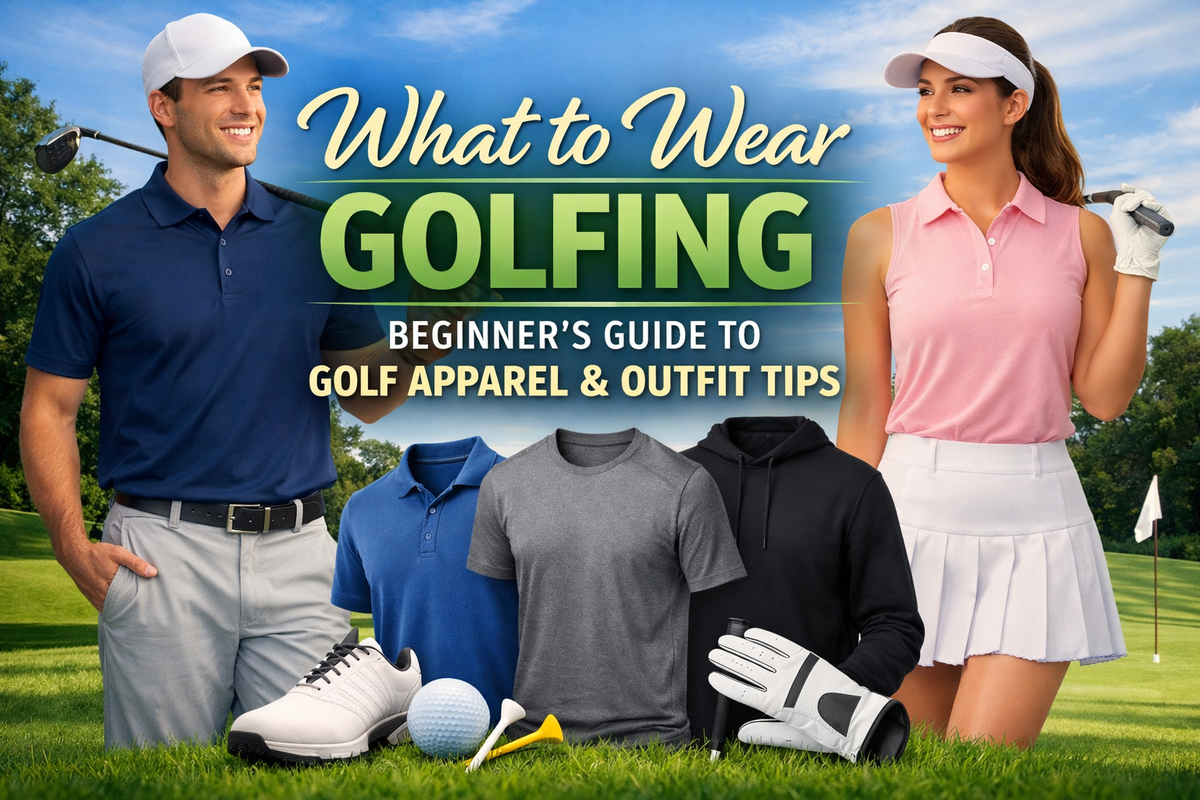
Course rules can matter as much as weather when you plan what to wear golfing in summer. Dress codes vary among public courses, resorts, private clubs, and tournaments.
Before you leave, check:
- Whether shirts must have collars
- Whether denim is allowed
- The accepted length of shorts or skirts
- Whether joggers or leggings are allowed
- Whether metal spikes are allowed
- Rules for hats inside the clubhouse
- Clothing rules for the driving range and practice area
A collared polo, clean golf shorts or trousers, and golf shoes will meet many traditional dress codes. Still, do not assume every U.S. course uses the same rules.
If the policy is unclear, call the pro shop. Staff can tell you what is accepted without making you guess at the first tee.

Common Summer Golf Clothing Mistakes
Small clothing errors can create large comfort problems during a long round.
Wearing heavy cotton
Heavy cotton can absorb sweat and stay wet. Choose a lighter fabric that dries faster if you expect heat or humidity.
Ignoring the neck and ears
A cap may shade your face but leave your ears and neck exposed. Use sunscreen or choose a hat with more coverage.
Wearing new shoes
New shoes may cause blisters before you finish 18 holes. Wear them on short walks first.
Choosing style over movement
A shirt or pair of shorts may look sharp but still restrict your swing. Practice a full turn, bend, and squat before playing.
Forgetting the course dress code
A comfortable outfit is not useful if the course will not allow it. Check the rules before you arrive.
Wearing dark, heat-trapping layers
Dark clothes are not always too hot, but thick or poorly ventilated fabric can trap heat. Focus on fabric weight, breathability, and fit.
Failing to plan for rain
A summer storm can arrive quickly in many parts of the United States. A light rain layer and spare socks take little space but can prevent a miserable walk.

A Simple Summer Golf Outfit Formula
Use this formula when you want a quick answer:
- Start with a breathable collared polo.
- Add golf shorts, a skort, or lightweight trousers.
- Wear golf shoes with secure traction.
- Add moisture-wicking socks.
- Put on a hat, sunglasses, and sunscreen.
- Pack water, a spare glove, and a light rain layer.
- Check the course dress code before leaving.
For extreme heat, choose the lightest acceptable clothing and plan breaks in shade. For a cool morning, wear a thin layer that you can remove without changing your base outfit.
The best outfit is the one that keeps you cool, protects your skin, supports your movement, and meets the rules of the course.

Key Takeaways
- Wear light, breathable, moisture-wicking clothes for summer golf.
- Choose a collared polo when you are unsure about the dress code.
- Wear golf shorts, a skort, or lightweight trousers that allow a full swing.
- Use golf shoes with good traction and socks that manage moisture.
- Protect exposed skin with sunscreen, sunglasses, and a suitable hat.
- Carry water, a spare glove, and a light rain layer.
- Check local course rules before your round.
- Treat confusion, faintness, or loss of consciousness as signs of a heat emergency.
FAQs
Can I wear a T-shirt golfing in summer?
Some public courses allow T-shirts, but many traditional clubs require a collared shirt. A clean golf polo is the safer choice when you do not know the rule.
Are golf shorts better than golf pants in hot weather?
Golf shorts usually feel cooler in hot weather. Lightweight golf pants may be better when you want more sun protection, face insects, or play during a cool morning.
Is cotton bad for golf in summer?
Cotton is not always bad, but it can hold sweat and dry slowly. A thin cotton shirt may work for a short, mild round. Fast-drying fabric is usually more comfortable in heat and humidity.
Should I wear long sleeves for sun protection?
A lightweight, UPF-rated long-sleeve shirt can reduce exposed skin and may help with sun protection. Choose a breathable style that does not restrict your swing.
What should I wear golfing in humid weather?
Wear a fast-drying shirt, light shorts or trousers, moisture-wicking socks, and breathable golf shoes. Bring a spare shirt and drink water throughout the round.
Can I wear running shoes instead of golf shoes?
Running shoes may work on a dry, flat course, but they may not provide enough grip during a swing. Golf shoes are a better choice when the course is wet, hilly, or soft.
Conclusion
What to wear golfing in summer comes down to comfort, movement, sun protection, and course rules. Choose breathable layers, secure golf shoes, a useful hat, and clothing that lets you swing without restriction.
Before your next U.S. summer tee time, check the forecast and dress code. Then pack water, sunscreen, and one spare layer so changing weather does not decide how your round feels.