Why Does My Hand Hurt After Golfing? Why Your Hands Suffer?
If your hand hurts after golfing, it is often due to improper grip pressure, equipment vibration, or repetitive strain injuries like tendonitis. By adjusting your mechanics and checking your gear, you can stop the pain and enjoy your 2026 season pain-free.
There is nothing quite like the feeling of a perfectly struck drive on a crisp morning. You step onto the first tee in 2026, feeling optimistic about your handicap, but by the time you reach the ninth hole, you feel a dull ache in your palm or fingers.
If you have ever wondered, “Why does my hand hurt after golfing?” you are certainly not alone. Hand pain is one of the most common complaints among golfers of all skill levels, ranging from weekend warriors to seasoned pros.
Understanding the root cause is the first step toward getting back to pain-free golf. In this guide, we will break down why your hand hurts after golfing, explore the common culprits behind the discomfort, and provide actionable tips to keep your hands healthy for the long haul. Whether it is a blister that just won’t heal or a nagging ache in your knuckles, we have you covered.
Key Takeaways
- Grip Pressure: Holding the club too tightly is the leading cause of hand discomfort and fatigue during a round.
- Swing Mechanics: Poor swing technique, such as “casting” the club, can send jarring vibrations directly into your hands and wrists.
- Equipment Matters: Worn-out grips or shafts that are too stiff can exacerbate the shock transferred to your hands upon impact.
- Repetitive Strain: Golf is a repetitive sport, and failing to warm up properly can lead to inflammation and tendon issues.
- Medical Awareness: While most pain is minor, persistent hand pain might indicate underlying issues like trigger finger or carpal tunnel.
The Common Culprits: Why Your Hands Suffer
When you strike a golf ball, a significant amount of kinetic energy travels from the ball, through the clubhead, up the shaft, and directly into your hands. If your body isn’t absorbing that energy correctly, your hands pay the price. This is the primary reason why your hand hurts after golfing.
Grip Pressure and Tension
Most golfers grip the club far too tightly. Think of your grip like holding a tube of toothpaste; you want to hold it firmly enough that it doesn’t slip, but not so tight that you squeeze the contents out. When your muscles are tense, they cannot absorb the vibration of impact. This tension travels to your tendons, leading to pain and fatigue. Relaxing your grip is the single fastest way to reduce hand discomfort on the course.
The Impact of Equipment
In 2026, golf technology is more advanced than ever, but that does not mean every club fits every player. If your club’s grip is too thin for your hand size, you may be forced to over-grip the club, causing strain.
Furthermore, the material of the grip matters. If your grips are worn, smooth, or made of a material that provides poor shock absorption, every shot will send a jolt through your hand. Replacing your grips regularly is an inexpensive way to save your hands.
Swing Mechanics and Vibrations
Your swing is a kinetic chain. If one link in that chain is broken, the stress is often transferred to the smallest joints in your body—your hands. When you ask yourself, “Why does my hand hurt after golfing?” you should look closely at how you are making contact with the turf.
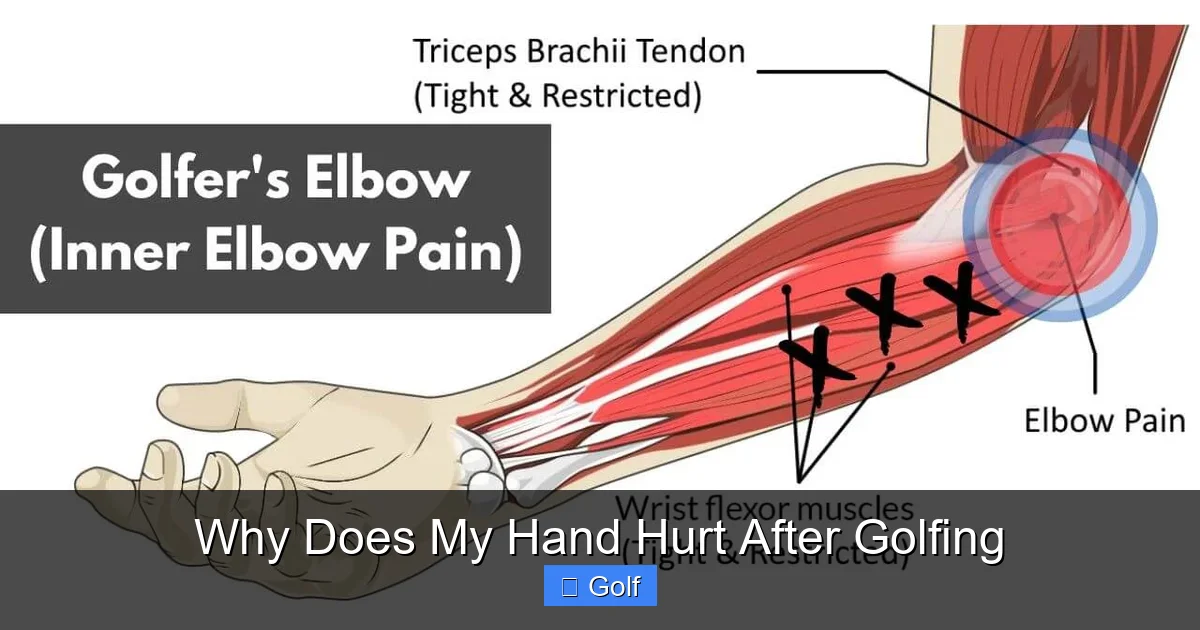
Visual guide about Why Does My Hand Hurt After Golfing
Image source: titaniumphysique.com
Fat Shots and Turf Interaction
Striking the ground before the ball commonly known as a “fat” shot is a major source of hand trauma. The sudden deceleration caused by hitting the turf creates a massive shockwave that vibrates through the shaft. If you find yourself hitting the ground frequently, this repetitive jarring can cause significant inflammation in the wrist and hand tissues. Working on your swing path with a local pro can minimize these heavy impacts.
Casting the Club
Many amateur golfers “cast” the club, meaning they release their wrists too early in the downswing. This causes the clubhead to lose speed and control, leading to inconsistent contact. Because the body is trying to compensate for this loss of power, the hands often tighten at the moment of impact. Correcting your release can help you maintain a smoother, more rhythmic swing that is easier on your hands.
Repetitive Strain and Overuse
Golf is a repetitive motion sport. Even if your form is technically perfect, hitting hundreds of balls at the driving range can cause issues. Hand pain after golfing is often an indicator that you have done too much, too quickly.
The Dangers of Excessive Range Time
We all love a good practice session, but the driving range is often where golfers develop hand pain. Hitting ball after ball off of hard mats can be brutal on the joints. If you are training for a big tournament in 2026, make sure to build your volume gradually. Think of your hands as muscles; they need recovery time just like your legs do after a long hike.
Tendonitis and Inflammation
Repetitive stress can lead to tendonitis, an inflammation of the tendons that connect your muscles to your bones. In golfers, this often shows up in the fingers or the thumb. If you notice swelling, stiffness in the morning, or a clicking sensation, it is time to take a break. Ignoring these symptoms can lead to more chronic conditions that might keep you off the course for weeks.
The Role of Gloves and Comfort
Your glove is more than just a style statement. It is a critical piece of medical equipment for your hand. Wearing a glove that is the wrong size or is low quality can lead to hotspots, blisters, and eventually, deep tissue pain.
Choosing the Right Glove
A properly fitted glove should feel like a second skin. If it is too loose, your hand will move inside the glove, creating friction that leads to blisters. If it is too tight, it will restrict blood flow and increase muscle fatigue.
In 2026, we have access to high-performance synthetic materials that offer better cushioning and moisture-wicking properties than ever before. Don’t be afraid to try different brands to see which one provides the best support for your specific hand shape.
Managing Blisters Before They Hurt
Blisters are the early warning signs of hand problems. If you feel a “hotspot” forming during your round, don’t wait until the skin breaks to address it. Apply a piece of medical tape or a blister pad immediately. By stopping the friction early, you prevent the deep, throbbing pain that can radiate through the entire hand after the round is over.
Recovery and Strengthening
If your hand hurts after golfing, you need a recovery plan. Ignoring the pain won’t make it go away, but a few simple exercises can help you recover faster and strengthen your hands against future injury.
Stretching Before and After
Most golfers warm up their back and legs, but they forget the hands. Before you tee off, spend two minutes doing simple wrist circles and gentle finger stretches. This increases blood flow and prepares the tendons for the stress of the swing. After your round, repeat these stretches to help reduce the tightness that sets in once the adrenaline wears off.
Targeted Strengthening
Using a simple stress ball or a hand gripper device can help build the stabilizing muscles in your hands. Stronger hands are more resilient to the vibrations of the golf swing. Just be careful not to overdo it; the goal is endurance and stability, not maximum grip strength.
When to See a Professional?
While most hand pain is related to minor strain, it is important to know when to seek medical advice. If you have been asking “Why does my hand hurt after golfing?” for several weeks, or if you experience numbness, tingling, or pain that keeps you awake at night, it is time to consult a doctor.
Conditions like trigger finger, De Quervain’s tenosynovitis, or even early signs of arthritis can masquerade as simple golf soreness. A medical professional can help you distinguish between a temporary issue and something that requires physical therapy or a modification in your lifestyle. Do not gamble with your long-term health; the course will be there when you are fully healed.
Ultimately, golf should be a source of joy and relaxation. By paying attention to your body, investing in the right equipment, and maintaining a smooth, relaxed swing, you can minimize pain and maximize your performance. Next time you head to the links in 2026, remember that a relaxed grip and a thoughtful approach are the keys to a painless game. Happy golfing!
Frequently Asked Questions
Is it normal for my hand to hurt after playing golf?
While common, it is usually a sign that something in your technique or equipment is off. Occasional mild soreness is normal, but persistent or sharp pain should not be ignored.
Should I wear a glove on both hands?
Most golfers only wear a glove on their lead hand, but wearing one on both can help if you suffer from severe blisters or have very sensitive skin. Just ensure the gloves are properly fitted to avoid adding bulk to your grip.
How often should I change my golf grips?
You should generally replace your grips once every 40 rounds or at least once a year, whichever comes first. Worn, slick, or hardened grips require you to squeeze tighter, which directly contributes to hand pain.
Can cold weather make hand pain worse?
Yes, cold weather causes muscles and tendons to become less pliable and more prone to injury. Always warm up thoroughly and consider wearing winter golf mittens between shots to keep your hands warm.
Are heavy-shaft clubs better for my hands?
Not necessarily; it depends on your swing speed and strength. If a shaft is too heavy or too stiff for you, it won’t flex properly at impact, which transfers more shock to your hands and wrists.
What is the fastest way to relieve post-golf hand pain?
Applying a cold pack for 10-15 minutes immediately after your round can reduce inflammation. Follow this with gentle, pain-free stretching once the area has cooled down.