
Why Am I So Bad at Golf? The Role of Equipment in 2026
If you find yourself asking, “Why am I so bad at golf?” you are certainly not alone. This game is famously difficult, but by focusing on proper fundamentals, managing mental expectations, and utilizing modern technology, you can transform your frustration into steady progress.
We have all been there. You stand on the first tee, feeling relatively confident, only to watch your ball slice deep into the woods or dribble ten feet off the tee box. You look at your playing partners, shrug your shoulders, and ask the question that haunts every amateur golfer: “Why am I so bad at golf?”
It is a moment of pure vulnerability and, frankly, it is part of the charm of the sport. Golf is designed to be difficult, but that does not mean you have to be stuck in a cycle of disappointment forever.
In 2026, we have access to more training aids, data, and coaching methods than ever before. Yet, the struggle remains remarkably similar to how it was decades ago. The truth is that most golfers don’t fail because they lack talent; they fail because they lack a plan.
You might be practicing the wrong things, listening to too many conflicting opinions, or simply fighting against the biology of your own body. Let us break down the common pitfalls and get you back on the path to better scores.
Key Takeaways
- Fundamental Faults: Most struggle because they focus on power rather than the basic mechanics of grip, stance, and posture.
- The Mental Game: Golf is 90% mental; learning to let go of bad shots is the fastest way to lower your score.
- Practice Efficiency: Hitting 100 balls at the range mindlessly is worse than hitting 20 balls with a clear purpose and goal.
- Equipment Matching: Playing with clubs that don’t fit your swing speed can make an easy game feel impossible.
- Short Game Priority: Spend more time around the green, as putting and chipping account for more than half of your strokes.
- The Role of Patience: In 2026, golf remains a game of misses; focus on making your “bad” shots slightly better rather than chasing perfection.
The Anatomy of a Bad Swing
When you ask, “Why am I so bad at golf?” your mind usually jumps to your swing. You imagine you have a hitch, a weird wrist flick, or a body move that looks nothing like the pros on television. Usually, the issue starts before you even move the club. The setup is the foundation of the house; if your foundation is cracked, the rest of the building will never be straight.
The Importance of the Grip and Stance
The grip is the only connection you have with the club. If your grip is too strong or too weak, your body will instinctively compensate during the swing to try and square the face. This leads to those “heroic” compensations that work once every ten swings and fail the other nine. Check your grip with a professional or use a grip training aid. A neutral grip is your best friend when you are struggling.
Your stance is equally critical. Are you aiming where you think you are? Most amateurs suffer from “alignment drift,” where they aim their feet, hips, and shoulders in three different directions. Use alignment sticks at the range to ensure your body is square to your target line. It is a simple fix, but it solves a surprising amount of contact issues immediately.
Stop Chasing Power
The most common reason people play poorly is that they try to hit the ball too hard. We see the long drivers on social media and want to mimic their speed. But at your current stage, speed is the enemy of consistency. Focus on a smooth, rhythmic tempo. If you swing at 70 percent of your maximum effort, you will likely find that the ball goes just as far because you are making better, more solid contact with the center of the clubface.
The Mental Game and Expectations
Golf is often described as the most frustrating sport in existence, and for good reason. It is a game of failures. Even the best players in the world miss more greens than they hit. If you walk onto the course expecting to par every hole, you are setting yourself up for an emotional disaster. Why am I so bad at golf? Perhaps because you are judging your game against an impossible standard.

Visual guide about Why Am I So Bad at Golf
Image source: cdn.mos.cms.futurecdn.net
Managing the “Result” Mindset
Amateurs often focus exclusively on the result. They worry about where the ball will land before they have even struck it. This creates tension. When your muscles are tense, your swing becomes jerky and uncoordinated. Instead of focusing on the result, focus on the process. Commit to a pre-shot routine: pick your target, visualize the flight, take a practice swing, and breathe. If you execute your routine, the result becomes secondary.
The Art of Letting Go
One of the biggest differences between high-handicappers and low-handicappers is how they treat a bad shot. A high-handicapper will carry a bogey, a double-bogey, or a lost ball with them to the next tee box. They spend the next hole still fuming about the last one. To get better, you must develop a “short memory.” Treat every shot as an isolated event. Once the ball stops moving, the previous shot no longer exists.
Short Game: The Hidden Secret to Lower Scores
If you really want to stop asking, “Why am I so bad at golf?” you need to look at your scorecard. Look at the number of putts you take per round. If you are consistently three-putting or failing to get up and down from just off the green, your long game isn’t actually your biggest problem. The short game is where the game is truly won or lost, yet it is the most neglected area of practice.
The 60/40 Practice Rule
If you have one hour to practice, spend 40 minutes on the putting green and the chipping area. Spend only 20 minutes on the driving range. Why? Because you will hit a driver maybe 14 times a round, but you might putt 36 times. Improving your putting by just a few strokes is the fastest way to drop your handicap without having to rebuild your entire swing.
Chipping with Simplicity
Stop trying to hit fancy flop shots. When you are off the green, your primary goal is to get the ball on the grass and rolling toward the hole. Use the least amount of loft necessary. If you can putt it, putt it. If you can use a bump-and-run with an 8-iron, do that. Keeping the ball low minimizes the risk of chunking it or thinning it across the green.
The Role of Equipment in 2026
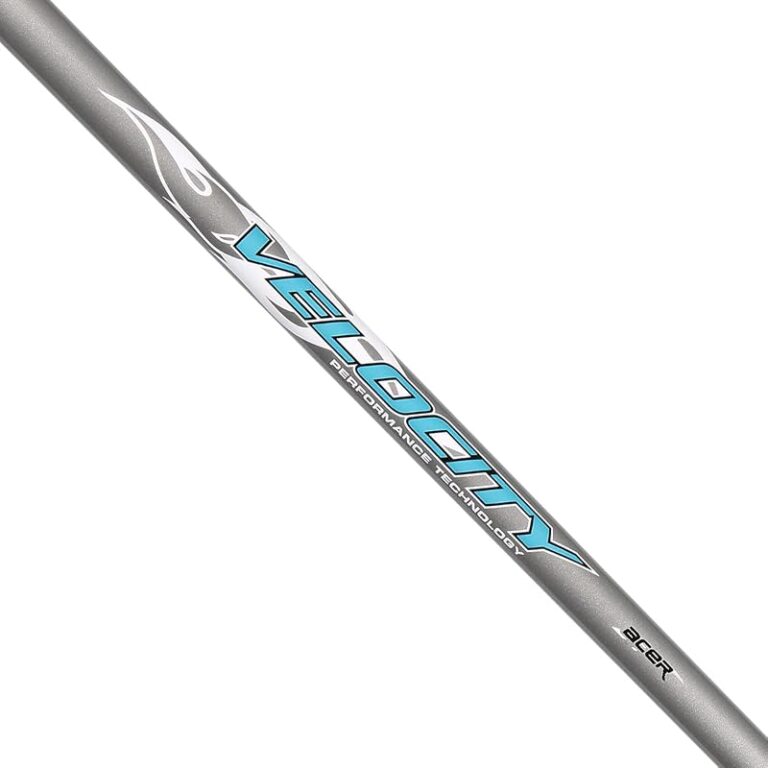
We live in an era where technology has changed how we play. If you are playing with clubs that were manufactured fifteen years ago, you might be fighting your gear. Modern clubs are designed to be more forgiving. They have larger sweet spots, better weight distribution, and shafts that are tailored to specific swing speeds.
Understanding Your Swing Speed
Do you know how fast you swing your driver? In 2026, you can walk into almost any golf shop and get a quick launch monitor session. If you are using a stiff-shafted club but you have a slower swing speed, you will struggle to get the ball in the air. Conversely, if you are swinging very fast with a flexible shaft, the ball will balloon and lose distance. Get a basic fitting. It doesn’t have to be expensive, but it does need to be accurate.
Forgiveness is Key
There is no ego in golf. If you are a high-handicapper, playing with blades or “tour-level” equipment is a mistake. These clubs are designed for precision, not forgiveness. Switch to “game improvement” irons. These irons are designed specifically to help the ball go straight even when you miss the center of the face. Making the game easier for yourself is not “cheating” – it is smart management.
Creating an Effective Practice Routine
Many golfers go to the range and just hammer balls until they are tired. They think, “If I hit enough balls, I will eventually get better.” This is the definition of insanity. You are just grooving your bad habits. If you have a slice, and you hit 100 balls with that slice, you have simply practiced being a slicer 100 times.
The Purposeful Practice Approach
Every time you go to the range, have a goal. Today, your goal might be “focus on takeaway position.” Or maybe it is “ensure my hips clear.” Don’t move to the next club until you have hit five good shots in a row. If you hit a bad one, stop, reset, and ask yourself what went wrong before you swing again. Slowing down your practice leads to faster improvements.
Record Your Swing
In 2026, everyone has a high-definition camera in their pocket. Use it. Set your phone up behind your target line or to the side of your swing. When you watch the video, you will be shocked at how different your swing feels compared to how it looks. You might think you are turning your shoulders, but the video shows you barely moved them. Visual feedback is the fastest way to correct your mechanics.
The Long-Term Perspective
Golf is a lifelong journey. You will have days where you feel like a pro and days where you feel like you have never held a club before. This is the nature of the sport. The players who get better are not the ones who find a “magic move” overnight; they are the ones who stay curious and patient. Every small adjustment you make in your grip, your setup, or your mental approach is a building block.
So, instead of asking, “Why am I so bad at golf?” try asking, “What is one thing I can do better today?” Maybe today is just about keeping your head steady. Maybe it is about reading the break on the green more carefully.
By breaking the game down into small, manageable pieces, you remove the pressure of being perfect. Enjoy the walk, enjoy the company, and celebrate the good shots. Before long, you will realize that you aren’t actually that bad at golf you are just a golfer, and that is a wonderful thing to be.
Frequently Asked Questions
Why am I slicing the ball so consistently?
A slice is usually caused by an “outside-in” swing path combined with an open clubface. Try focusing on swinging toward the right field (for right-handed golfers) to correct your path and ensure your grip isn’t too weak.
How often should I take golf lessons?
If you are a beginner or struggling with a plateau, one lesson every two to three weeks is ideal. This allows you enough time to practice what you learned without overwhelming your brain with too many changes at once.
Is it better to buy new clubs or take lessons?
Always prioritize lessons over new equipment. A coach can fix your technique, which will improve your game far more than a set of expensive clubs will if you are using an incorrect swing.
Why do I hit the ball well on the range but struggle on the course?
The range is a flat, repetitive environment without consequences, while the course has uneven lies and mental pressure. Try to simulate course pressure by picking specific targets and playing “virtual holes” during your range sessions.
What is the most common mistake for high-handicap golfers?
The most common mistake is a poor setup, including incorrect grip and bad alignment. Without a solid foundation, the body naturally compensates, leading to inconsistent contact and lack of accuracy.
How long does it take to get “good” at golf?
Golf is a lifelong pursuit, but most dedicated players see significant improvement within one full season of consistent, purposeful practice. Focus on enjoying the progress rather than reaching a specific destination.