How Should Golf Shorts Fit: The Perfect Fit Guide
Golf shorts should fit comfortably at the waist, sit flat without pinching, and leave enough room through the seat and thighs for a full golf swing. They should not sag, cling, or feel tight when you squat, bend, walk, or rotate.
For most golfers in the United States, the best fit is a mid-rise waistband, a tailored but not tight leg, and a hem that falls around the knee or slightly above it. The final choice depends on your body shape, swing, local course dress code, and the weather.

What a Proper Golf Short Fit Looks Like
A good pair of golf shorts should feel secure during movement but not restrict your hips, legs, or waist. Golf requires walking, bending, turning, and repeated rotation, so fit matters more than a sharp look while standing still.
Use these signs to judge the fit:
- The waistband stays in place without needing a tight belt.
- You can place about one or two fingers between your waist and the band.
- The seat lies smooth without pulling across the back.
- The fabric does not strain across the hips or thighs.
- You can squat and bend without the shorts cutting into your stomach.
- The leg opening allows movement but does not look baggy.
- The pockets lie flat when empty.
- The hem does not ride high when you sit or bend.
Golf shorts should follow your shape without outlining every detail. Think of the fit as tailored, not skinny.
Waist fit
The waistband should sit where the shorts are designed to sit. Most golf shorts use a mid-rise waist that rests near the natural waist or slightly below it.
A correct waistband should:
- Stay level during your swing.
- Close without a gap at the back.
- Avoid digging into your stomach.
- Work with a belt without bunching.
- Stay secure when your pockets hold small items.
If you need to tighten the belt to keep the shorts up, the waist may be too large. If the waistband leaves deep marks or feels tight when you sit, it is too small.
Seat and hip fit
The seat should cover you fully and allow room for hip rotation. Wrinkles that spread outward from the zipper or pockets can show that the shorts are too tight.
Shorts that are too loose may:
- Slide down during a swing.
- Create excess fabric under the seat.
- Catch on your hands or golf glove.
- Look untidy around the pockets.
Shorts that are too tight may pull at the zipper, press into the hips, and limit your turn. A small amount of ease through the seat is useful because golf shorts must move with you.
Thigh and leg fit
The leg should rest lightly against the thigh or leave a small amount of space. It should not grip the leg like compression wear.
A useful test is to stand, lift one knee, and make a slow practice swing. If the fabric pulls across the thigh or limits your leg lift, try a roomier cut. If the shorts swing away from your legs or balloon when you walk, try a slimmer cut.
The best leg shape is often called:
- Tailored fit
- Athletic fit
- Modern fit
- Straight fit
Names vary by brand. Always check the garment measurements rather than relying only on the label.
How Long Should Golf Shorts Be?
Golf shorts usually look and perform best when the hem falls near the knee or a few inches above it. The right length depends on your height, leg shape, personal style, and the dress code at the course.
There is no single length that suits every golfer. A hem that looks short on a tall golfer may look much longer on a shorter golfer.
A practical length guide
| Golf short length | How it looks | Best for |
|---|---|---|
| Upper thigh | Very short and sporty | Casual practice or personal preference |
| Mid-thigh | Modern and flexible | Warm weather and active play |
| Near the knee | Traditional and versatile | Most public and private courses |
| Below the knee | Long and relaxed | Casual wear, but may limit airflow |
For a classic golf look, choose a hem that ends around the kneecap or slightly above it. This length gives the legs room to move without looking too casual at many U.S. courses.
Very short shorts may be rejected by a club dress code. Long shorts can feel warm and may bunch when you sit in a golf cart. Check the course policy before you play, especially at private clubs, resorts, and organized events.

How Tight or Loose Should Golf Shorts Be?
Golf shorts should be snug enough to stay in place but loose enough to allow a full range of motion. Tightness should never be the main way the shorts stay up.
Try this movement test before buying or playing:
- Stand in a normal golf stance.
- Bend from the hips as if addressing the ball.
- Make a slow backswing and follow-through.
- Sit in a golf cart or chair.
- Walk several steps and climb a few stairs.
- Place your phone, scorecard, or tees in the pockets.
The shorts fit well if the waistband stays flat, the pockets do not pull, and the fabric moves without resistance.
The two-finger waistband test
Button or zip the shorts and slide two fingers between your body and the waistband. The fingers should fit without force.
- No room: The waist is likely too tight.
- Two fingers with light pressure: Usually a secure fit.
- A large gap: The waist may be too loose.
This test is a starting point, not a rule. Stretch fabric can feel comfortable even when the waist is slightly smaller. Nonstretch fabric needs more room because it cannot adapt as well to sitting and bending.
The sit-and-squat test
A standing fit can hide problems. Sit down and squat before you decide that the shorts fit.
Look for:
- Waistband pressure on your stomach.
- Fabric pulling across the front.
- A tight crotch seam.
- The hem riding far up the thigh.
- Pockets opening or flaring outward.
If these problems appear, try a larger size or a different cut. Changing brands may help because rise, seat shape, and thigh width vary widely.
What Rise Should Golf Shorts Have?
The rise is the distance from the crotch seam to the top of the waistband. It controls where the shorts sit on your body.
Mid-rise shorts
Mid-rise golf shorts work well for most players. They sit securely during a golf stance and usually pair well with a tucked-in polo.
They are a good choice if you want:
- A balanced fit
- A traditional golf appearance
- Enough coverage when bending
- A waistband that works with a belt
Low-rise shorts
Low-rise shorts sit lower on the hips. They may suit golfers who prefer a casual style, but they can expose the back when bending or swinging.
They may also require a tighter belt, which can create pressure around the waist.
High-rise shorts
High-rise shorts sit closer to the natural waist. They can provide more coverage and may feel secure for golfers with a fuller midsection or longer torso.
The rise is correct when the crotch does not sag and the waistband does not press into your ribs. A short rise can cause pulling, while an overly long rise can create excess fabric below the zipper.

How Golf Short Fit Changes by Body Type
The best golf shorts fit is based on proportions, not a label such as “slim” or “regular.” Two golfers with the same waist size may need different rises, thigh widths, or leg openings.
For a larger stomach
Choose a waistband that sits comfortably rather than forcing the shorts below the stomach. A mid- or higher-rise style may provide better coverage.
Look for:
- A flat front
- Moderate stretch
- A contoured waistband
- Enough room through the seat
- A belt loop system that does not bunch
Avoid sizing down to create a slimmer appearance. A tight waistband often causes the front pockets to flare and the zipper area to wrinkle.
For larger thighs
Select an athletic or relaxed cut with more room through the upper leg. A slim leg opening can make the shorts feel tight even when the waist fits.
If the waist is correct but the thighs are tight, do not automatically buy a larger size. A larger size may create a loose waistband. Instead, look for a different cut or a brand with a fuller thigh measurement.
For slim legs
A tailored or straight leg can create a clean shape without excess fabric. Avoid very wide openings unless you prefer a relaxed look.
The hem should not extend far beyond the natural width of the thigh. Too much width can make the shorts look oversized and may allow them to move around during a swing.
For shorter golfers
Shorter golfers may find that standard shorts reach the knee or below it. A shorter inseam can create a more balanced appearance and may improve airflow.
Check the hem while seated. A short inseam that looks fine while standing may rise too far when you bend over to read a putt.
For taller golfers
Tall golfers may need a longer inseam for coverage and proportion. A hem that is too short can ride up during a golf stance.
Focus on the rise as well as the inseam. A longer leg does not fix a short rise that pulls when you bend.
How Golf Fabric Affects Fit
Fabric changes how golf shorts feel during movement. The same waist size can fit very differently in a stretch fabric and a rigid fabric.
Stretch fabric
Many modern golf shorts use a blend with elastane or another stretch fiber. Stretch can improve comfort during hip rotation, bending, and walking.
It can also hide a poor fit. Shorts may feel acceptable in the fitting room but become loose after extended wear if the fabric relaxes.
Nonstretch fabric
Cotton twill and other firm fabrics hold their shape well but need a more accurate fit. They should have enough room through the waist, seat, and thighs before you begin playing.
Do not expect rigid shorts to loosen enough to correct a tight fit. They may soften with wear, but they will not reliably add the room needed for a full swing.
Moisture and heat
For hot, humid rounds in places such as Florida, Texas, Arizona, or the Southeast, a lighter fabric and a roomier leg can improve airflow. In cooler conditions, a denser fabric may feel more comfortable.
Breathability does not make up for a tight fit. If the shorts press against your legs, sweat can remain trapped against the skin and cause discomfort.

How Golf Shorts Should Fit With a Belt and Pockets
A belt should finish the fit, not rescue it. If the shorts fall without a belt, they are likely too large at the waist.
Check the belt loops for even spacing and a secure attachment. A stiff belt can add pressure if the waistband is already tight.
Pockets should lie flat when empty. When filled, they should not pull the shorts down or distort the leg.
Useful golf short pockets usually include:
- Front pockets for tees and a ball marker
- A secure back pocket for a scorecard or glove
- A small pocket for a phone or valuables
- Enough depth to keep items from falling out
Avoid carrying heavy objects in a single pocket. A phone, wallet, and several balls can change the balance of the shorts and cause the waistband to sag.
Test the pockets while walking and sitting. If the pocket lining pulls across the thigh, the shorts may be too tight or the pockets may be poorly placed.
Golf Dress Codes and Short Length in the United States
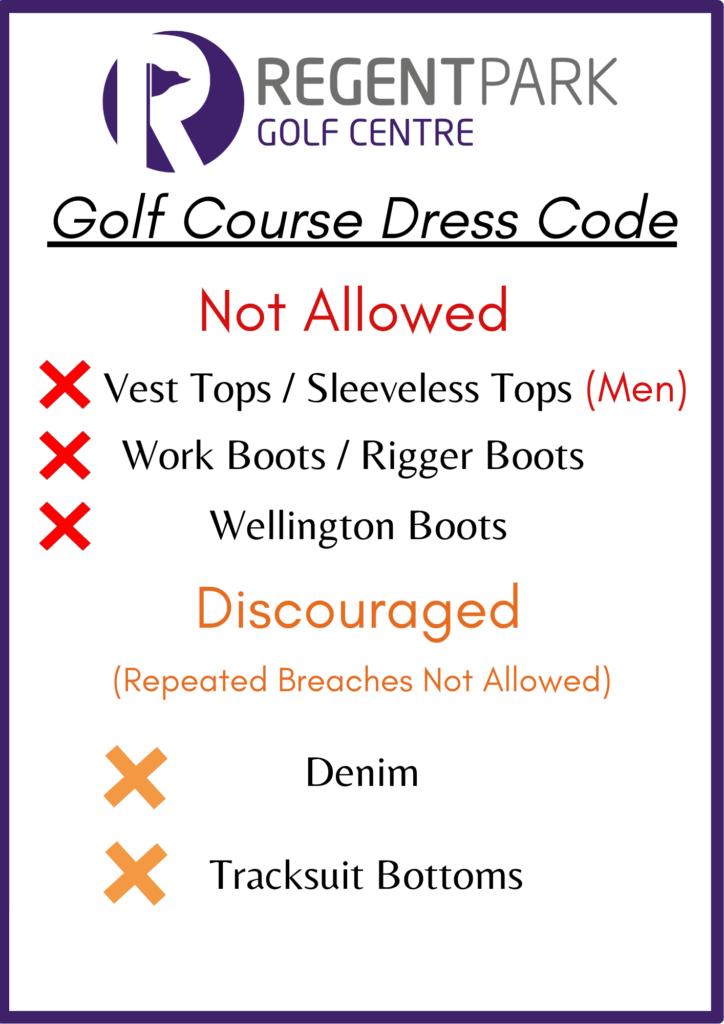
Golf course dress codes vary across the United States. The U.S. Golf Association’s Rules of Golf govern play, but individual clubs and courses can set their own clothing standards.
A course may require shorts to be:
- Bermuda length
- Knee length
- Tailored rather than athletic
- Free of cargo pockets
- Worn with a belt
- Made from a clean, non-denim fabric
Some clubs also restrict drawstring waists, large logos, cargo styling, or very short hems. These rules are separate from how well the shorts fit.
Before a round, check the course website or call the pro shop. This is especially useful for private clubs, resort courses, tournaments, and charity events. When unsure, choose a clean, tailored pair that reaches near the knee.

Common Golf Short Fit Problems and Fixes
Small fit problems can affect comfort over an entire round. Use the symptom to find the likely cause.
| Problem | Likely cause | Better fix |
|---|---|---|
| Waistband slides down | Waist is too large or rise is too short | Try a smaller waist or longer rise |
| Waistband digs in | Waist is too small or rise is too short | Size up or choose a higher rise |
| Front pockets flare | Hips or waist are too tight | Try a roomier cut |
| Fabric pulls at the crotch | Rise is too short | Choose a longer rise |
| Shorts twist during a swing | Poor shape or excess fabric | Try a better-cut leg and seat |
| Thighs feel trapped | Leg opening is too narrow | Choose an athletic or straight fit |
| Shorts look baggy | Waist, seat, or leg is too large | Try a smaller size or tailored cut |
| Hem rides high when bending | Inseam is too short | Choose a longer inseam |
| Belt creates folds | Waist is too large or belt is too tight | Improve the waist fit first |
If the waist fits but the thighs do not, change the cut before changing the size. If no size works well, a tailor may be able to adjust the waistband, but major changes to the rise or seat are often difficult and costly.

How to Measure for Golf Shorts at Home
Measure your body and compare the result with the brand’s size chart. Brand sizes are not consistent across the U.S. apparel market.
You need:
- A soft measuring tape
- Lightweight clothing
- A mirror or another person
- The brand’s current size chart
Measure your waist where the shorts will sit. Keep the tape level and relaxed. Do not pull it tight.
Measure your seat around the fullest part of your hips and buttocks. Keep both feet together and stand normally.
Measure the inseam from the crotch seam to the desired hem. If you are measuring an existing pair, lay it flat and measure from the crotch intersection to the bottom of the leg.
Compare all three measurements. Waist size alone can give the wrong result, especially if you have larger thighs, a fuller seat, or a long or short torso.
When between sizes:
- Choose the larger size if the fabric has little or no stretch.
- Choose based on the seat and thighs if the waist can be adjusted.
- Choose the smaller size only when the larger size creates clear excess fabric.
- Check the return policy before ordering online.

Are Slim-Fit Golf Shorts a Good Choice?
Slim-fit golf shorts can work if they leave room for a complete swing. “Slim” should describe the shape, not mean that the fabric presses against your legs.
Before choosing a slim fit, check whether you can:
- Cross one leg over the other.
- Bend to place a ball on the ground.
- Rotate your hips without pulling.
- Sit without waist pressure.
- Walk uphill without the hem riding up.
Slim shorts may look neat with a tucked polo, but they can feel restrictive in hot weather or during long walks. A tailored or athletic cut often gives a better balance between appearance and movement.
Should Golf Shorts Be Above the Knee?
Golf shorts can sit above the knee, but a modest length is usually the safest choice for both comfort and course etiquette. A hem that ends a few inches above the knee allows movement while maintaining a traditional appearance.
Very short shorts may be unsuitable at courses with formal dress codes. They may also ride up during a swing or when sitting in a cart.
If you prefer shorter shorts, check the course policy and test the length while bending. The hem should remain comfortable without exposing more than you intend.
Key Takeaways
- Golf shorts should fit securely at the waist without pinching.
- Choose enough room through the seat and thighs for a full swing.
- A mid-rise style suits many golfers and works well with a belt.
- A hem near the knee or slightly above it is a versatile choice.
- Use movement tests, not just a mirror, to judge fit.
- If the waist fits but the legs feel tight, change the cut before changing sizes.
- Check the U.S. course dress code before you play.
Frequently Asked Questions
Should golf shorts be tight or loose?
Golf shorts should be tailored but not tight. They need enough space for bending, hip rotation, walking, and sitting. Loose shorts can slide down and create excess fabric, while tight shorts can restrict movement and pull across the seat or thighs.
Should golf shorts sit above or below the waist?
Most golfers do well with a mid-rise style that sits at or slightly below the natural waist. The correct position keeps the shorts secure without pressing into your stomach. Choose a higher rise if you want more coverage or a lower rise if that shape feels comfortable and secure.
What is the best inseam for golf shorts?
There is no universal best inseam. For a classic look, choose a hem near the knee or slightly above it. Shorter golfers may prefer a shorter inseam, while taller golfers may need a longer inseam for balanced coverage.
Can golf shorts be worn without a belt?
Yes, if the waistband fits correctly and stays in place during movement. Golf shorts with an internal drawcord or adjustable waistband may not need a belt. Do not use a belt to compensate for shorts that are clearly too large.
Should golf shorts have stretch?
Stretch can improve comfort during a golf swing, but it is not required. Stretch shorts should still fit correctly at the waist, seat, and thighs. A flexible fabric cannot fix a rise that is too short or a waistband that is too tight.
How should golf shorts fit for a larger stomach?
Choose a rise and waistband that sit comfortably without rolling or digging in. Look for moderate stretch and enough room through the seat. Avoid sizing down, since that often causes pocket flare, zipper wrinkles, and waist pressure.
Conclusion
The right golf short fit is secure at the waist, smooth through the seat, roomy through the thighs, and comfortable during a full golf swing. For most players, a mid-rise pair with a tailored leg and a hem near the knee offers a reliable balance of comfort, movement, and course-appropriate style.
Before buying, bend, squat, swing, sit, and walk in the shorts. Then check the local U.S. course dress code. If the shorts pass both tests, they are likely a good fit for the course and the round ahead.